
News

ARCHITECTURE OF ACCOUNTABILITY: HOW THE FOURTH LEVEL OF FMC TRANSFORMS PUBLIC ADMINISTRATION INTO A PERFORMANCE-DRIVEN SERVICE
Financial Management and Control (FMC) serves as the fundamental pillar of responsible public resource management, evolving from mere administrative compliance into a strategic leadership tool. In early 2025, the Ministry of Finance of the Republic of Serbia achieved a pivotal milestone by publishing the "Performance Guidelines," officially launching the systemic agenda for the full implementation of a standardized performance measurement system. This move signifies the formal transition to the fourth level of FMC, which primarily focuses on performance management as the benchmark for the effectiveness of public authority operations.
The implementation of this system is not a matter of institutional discretion or goodwill; it is a clear and rigorous statutory obligation. The Republic of Serbia committed to this step under Negotiating Chapter 32 – Financial Control, a key condition in the European Union accession process. Chapter 32 mandates the establishment of operational mechanisms ensuring that public funds are utilized in accordance with the principles of economy, efficiency, and effectiveness (the "3Es"). In this context, the "Performance Guidelines" serve as an operational roadmap for all budget users, from local self-governments to the highest state authorities.
At its core, performance management is a process in which organizational leadership systematically defines the mission, strategy, and objectives, subsequently operationalizing them across all organizational levels. Only after such concretization can corrective actions be taken to align operations and achieve planned results. For decades, the traditional approach to public sector management focused exclusively on budget execution and the mere absorption of allocated funds. The primary objective of this legacy model was to demonstrate compliance with legal norms and adherence to rigid payment procedures.
However, the modern management approach introduced by the Guidelines brings a radical shift toward the essence of public services and the value created for citizens. Management now entails establishing a precise action plan or "roadmap" for objectives that must be achieved within a specific timeframe. Funds are no longer allocated simply to be spent; they are directed toward plan implementation in accordance with strict deadlines. A key innovation is the mandatory determination of actual achievements compared to originally planned parameters.
This system requires the continuous identification of variances, analysis of the underlying causes, and their immediate integration into future plans and budgetary decisions. This effectively closes the loop of managerial accountability, where a head of an organization is responsible not only for the legality of their signature but for the actual outcomes achieved. Managerial accountability is unsustainable without full process transparency and clarity in performance reporting. Accountability depends directly on the extent to which performance reports are intelligible to those who oversee, review, or potentially challenge them.
Furthermore, it is essential to continuously strengthen the capacity of those tasked with reviewing this information to ensure that oversight is substantive rather than merely formal. Without an adequate understanding of performance data, control mechanisms remain a "dead letter on the page." Modernizing public administration through the fourth level of FMC also requires a cultural shift within institutions. Every employee must understand how their individual work contributes to the organization’s overarching strategic goals.
The standardization of performance measurement systems allows for the comparability of results across different authorities, fostering healthy competition and more efficient resource utilization. Public funds are a finite resource; therefore, their use must be justified through tangible, measurable societal benefits. The Ministry of Finance’s Guidelines provide the methodological framework for defining Key Performance Indicators (KPIs) that must be realistic, attainable, and time-bound. This puts an end to the practice of ad-hoc budget planning based on previous years' spending.
Performance management also necessitates the modernization of information systems to support real-time data collection. In this context, digitalization is not an option but a fundamental prerequisite for accurate and timely reporting. Institutions that fail to adopt this system will face not only operational difficulties but also potential reductions in future budgetary appropriations. Reform is an irreversible process that directly impacts the state's credibility before international partners and financial institutions.
The full implementation of the fourth level of FMC places Serbia on the map of modern administrations that protect the public interest through professional management. Ultimately, the goal of this agenda is a state that functions as an efficient service provider, where the exact level of service rendered is known for every dinar of public money invested. Accountability, transparency, and a focus on results are no longer mere theoretical concepts, but the operational reality of public administration.
REGIONAL LEADERS RECONVENE ON ZLATIBOR: THE 2ND PUBLIC ADMINISTRATION CONSULTATION SOLIDIFIES ITS STATUS AS A LANDMARK EVENT
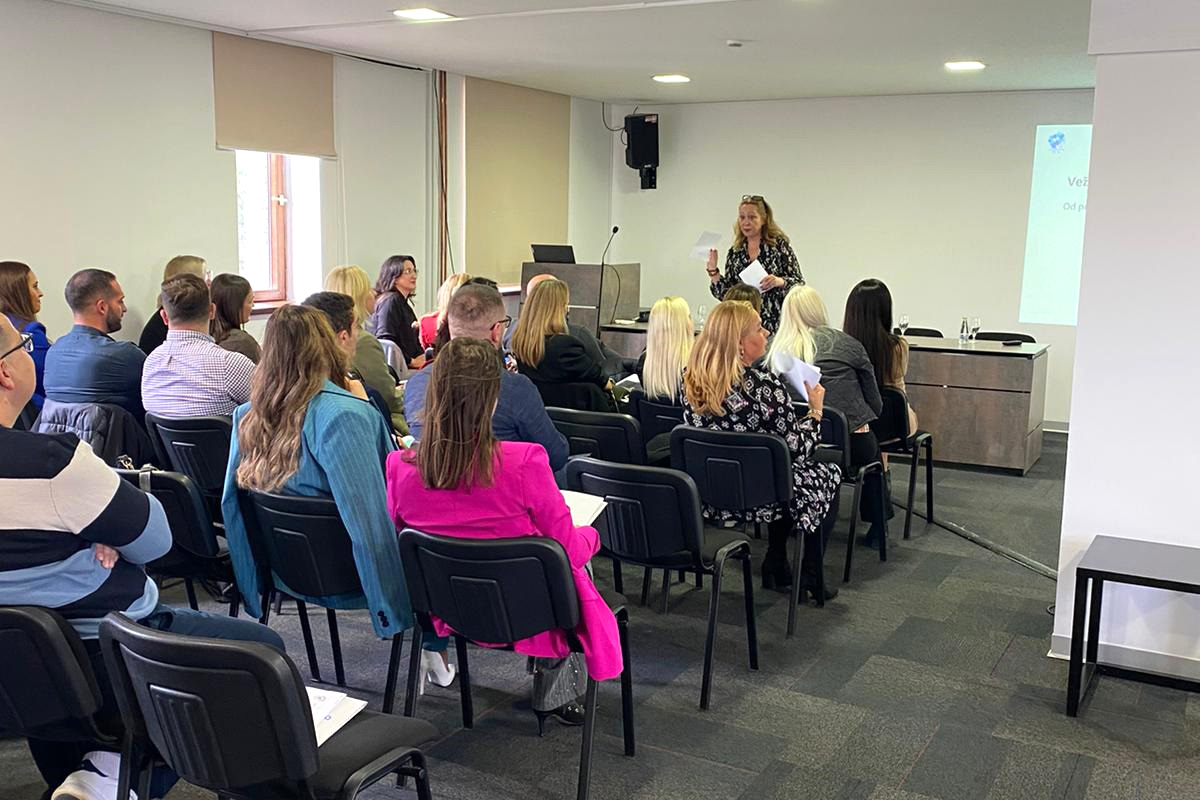
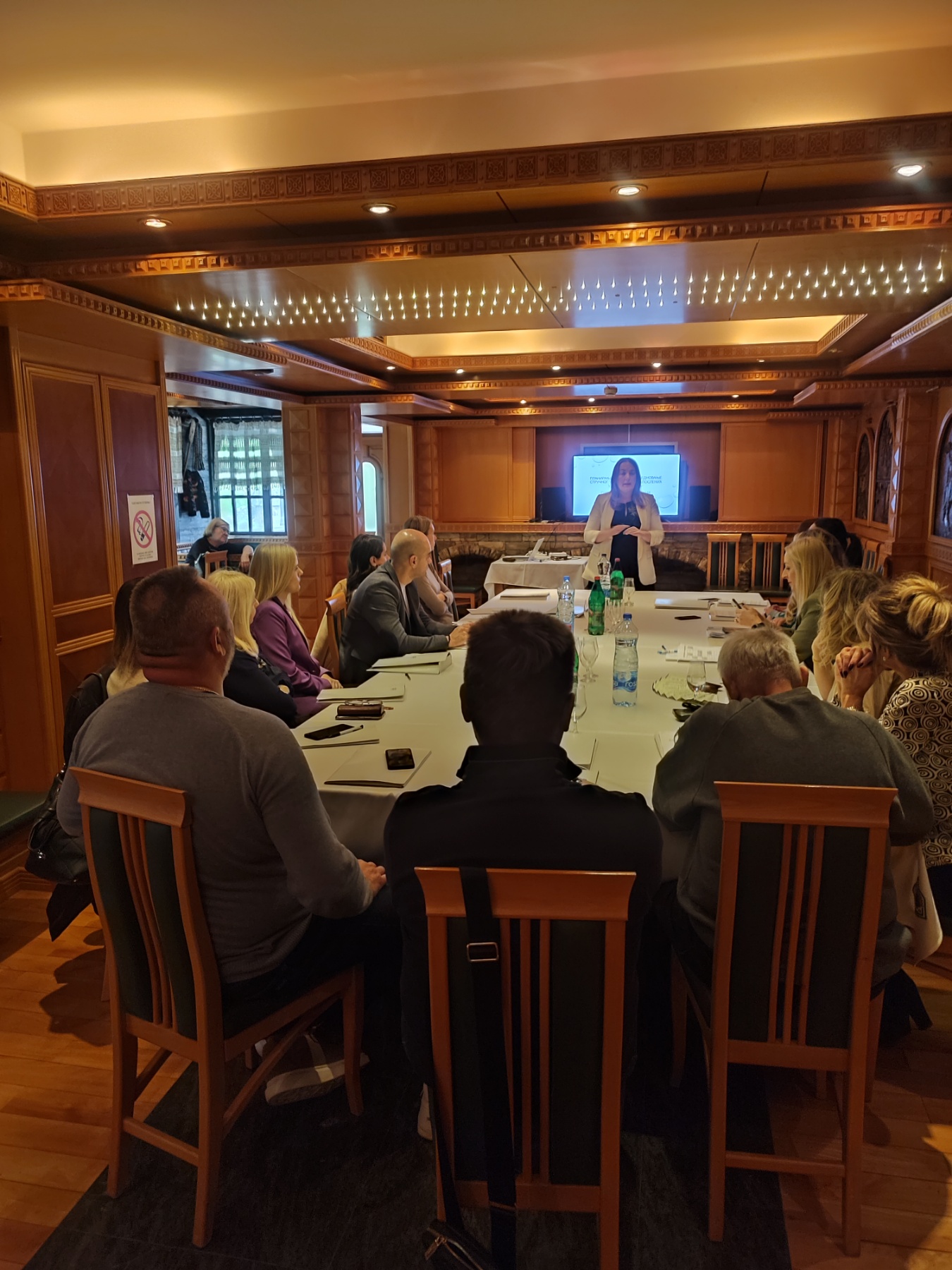
Following the resounding success of our May gathering, the 2nd Regional Consultation for Public Administration was triumphantly held from October 12 to 14, 2025, on Mount Zlatibor. The Palisad Hotel once again served as the premier crossroads for esteemed lecturers and participants from Serbia, Bosnia and Herzegovina, and Montenegro, further strengthening regional cooperation. Sessions saw record-breaking attendance, reflecting a profound interest in developing the competencies necessary to support public sector employees through complex reform challenges. The program was strategically designed to address critical domains such as Internal Audit, Financial Management and Control (FMC), and the essential field of Personal Data Protection. A specialized focus was placed on modern management, encompassing advanced strategies for talent management and employee motivation within public institutions. Participants explored the latest milestones in the region's digital transformation and the evolving role of Public Relations (PR) in the digital age. These interactive sessions facilitated a direct exchange of expertise, providing attendees with tangible tools to enhance daily operations within their respective organizations. We extend our sincere gratitude to all lecturers for their expert contributions and to the participants whose dedication was fundamental to the success of this event. We are also deeply indebted to the Palisad Hotel for their continued partnership and for providing a superior environment for professional networking. Inspired by new ideas and a collective energy, we look forward to our future encounters and continued shared successes.

THE FUTURE OF PROFESSIONAL DEVELOPMENT HAS ARRIVED: LAUNCHING OUR NEW ONLINE EDUCATION SERVICE
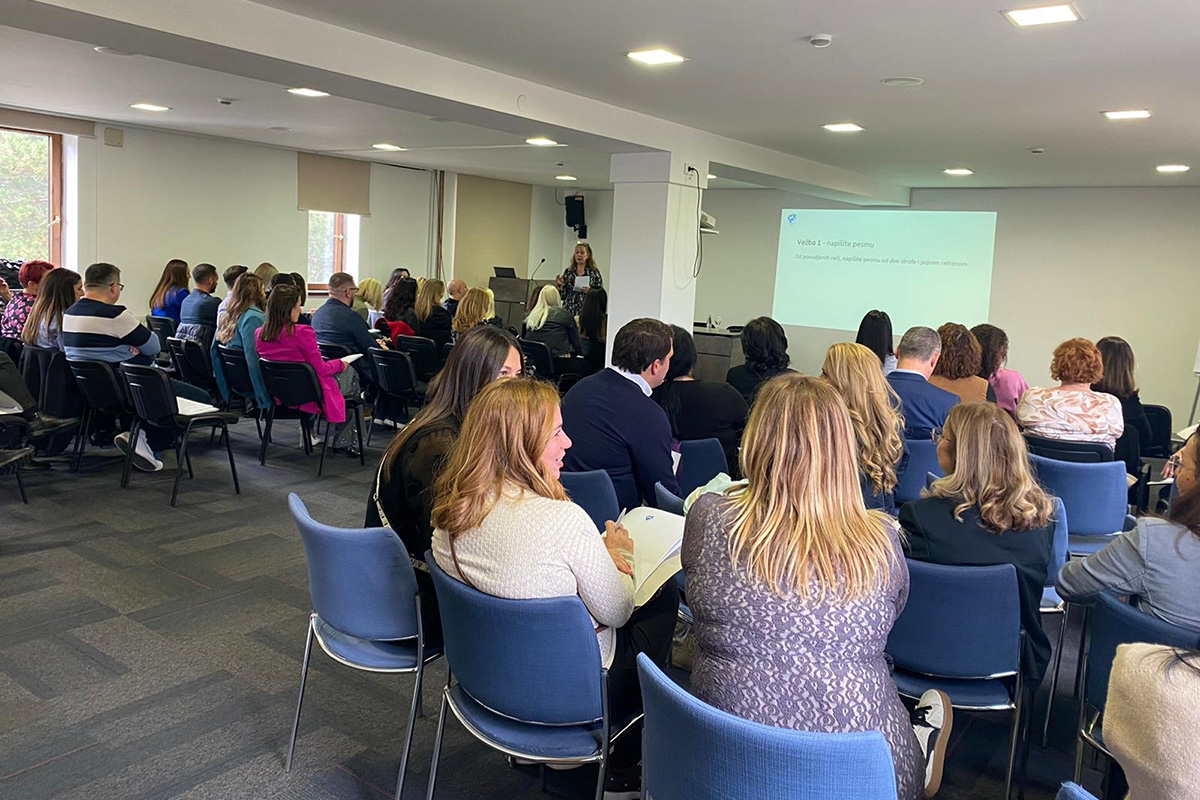
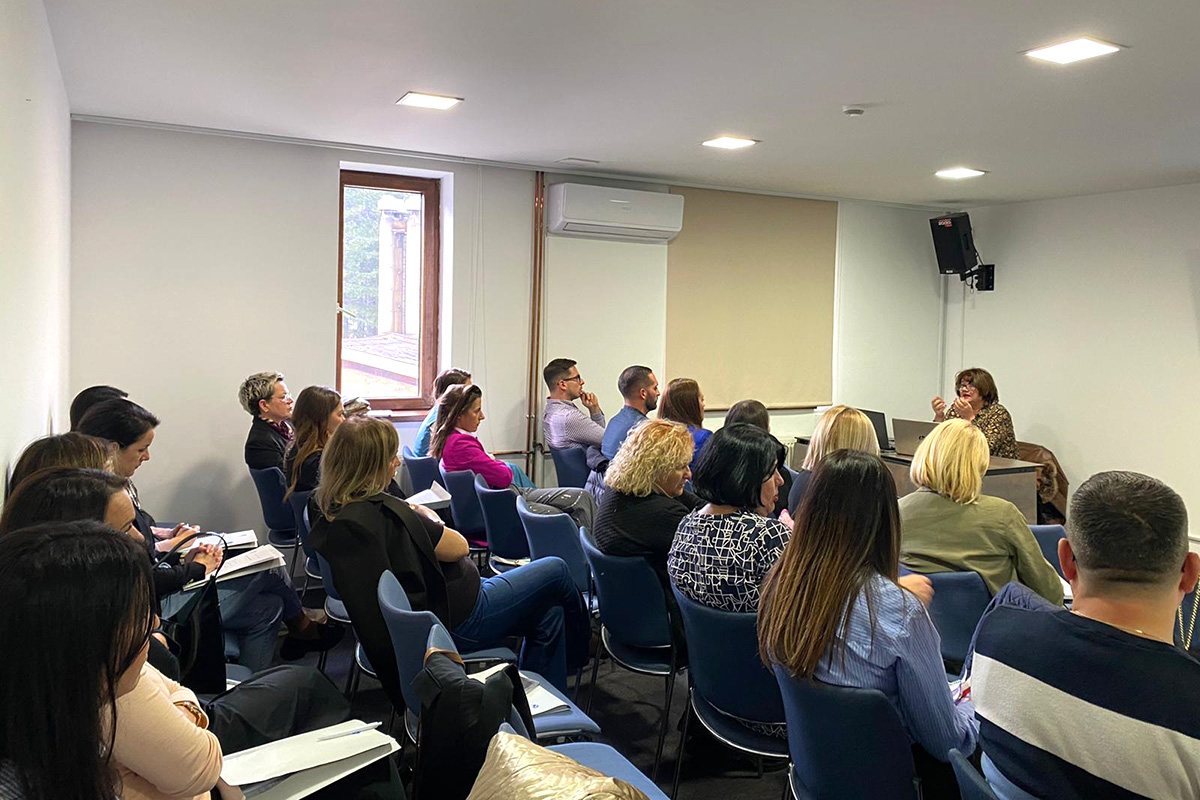
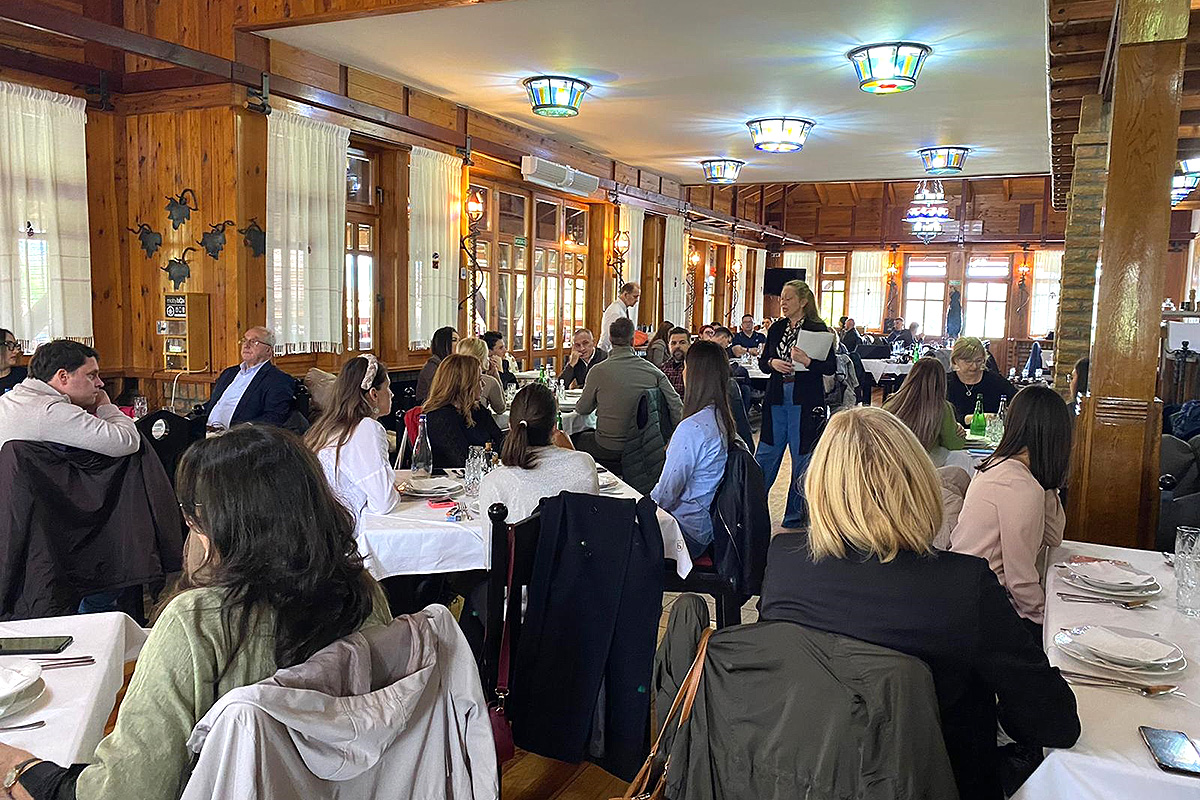
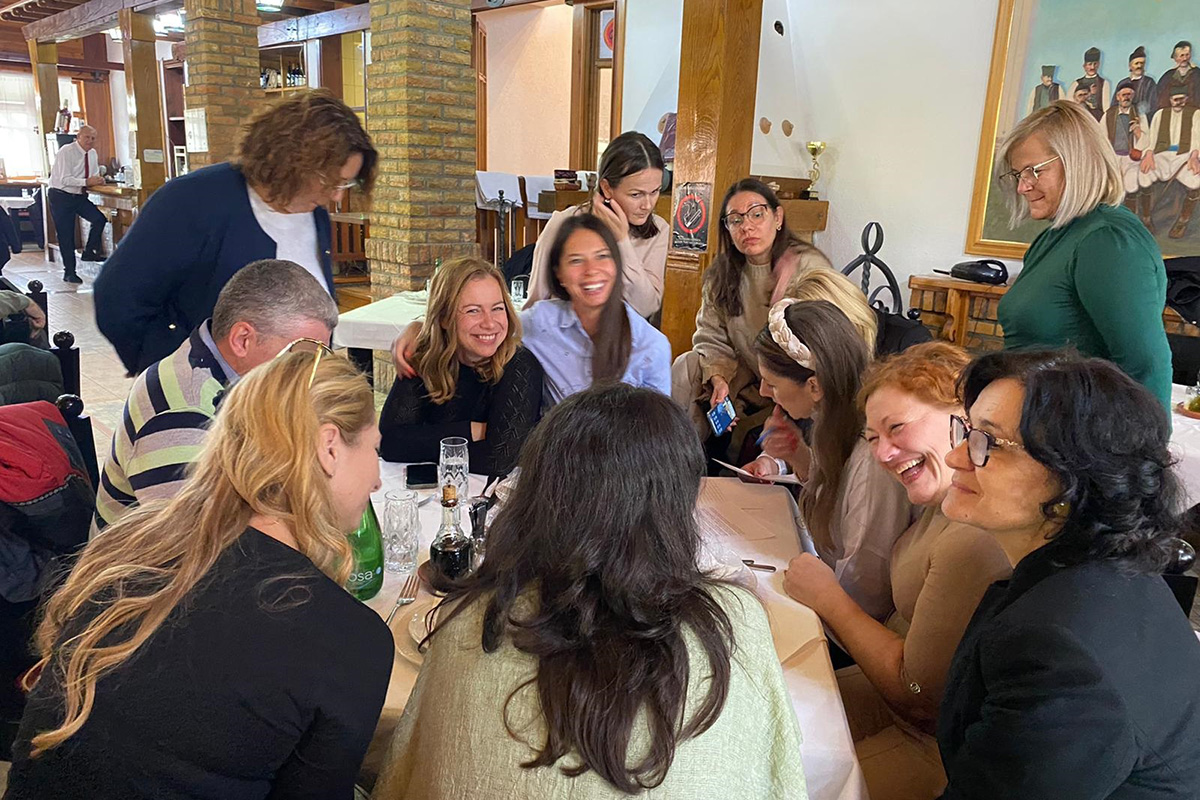
We are proud to announce that July 2025 marked the official launch of our premier online service dedicated to the professional development of the public sector. The development of this system followed an uncompromising path, with over a year of rigorous testing to ensure a seamless and superior user experience. Our primary objective was to provide participants with simplified access to expertise without sacrificing the high-quality interaction that has become our hallmark. Unlike passive seminars, this platform is specifically engineered to foster a direct, real-time interactive relationship between participants and lecturers. During an intensive pilot phase, we successfully conducted over ten sessions covering critical practical topics. The feedback has been exceptional, with participants awarding our new learning model the highest possible ratings for both efficacy and accessibility. This system functions as more than just a medium for information transfer; it serves as a digital hub for resolving complex dilemmas and honing practical skills. With this milestone, we are setting new benchmarks in the digital transformation of professional training at a regional level. We invite all interested colleagues and partners to stay tuned to our updates and join our growing community of knowledge. Join us in building the skills of the future and take advantage of a learning experience tailored to your needs.
BALANCING SECRECY AND TRANSPARENCY: EXPERT TRAINING FOR PUBLIC ADMINISTRATION SUCCESSFULLY CONCLUDED
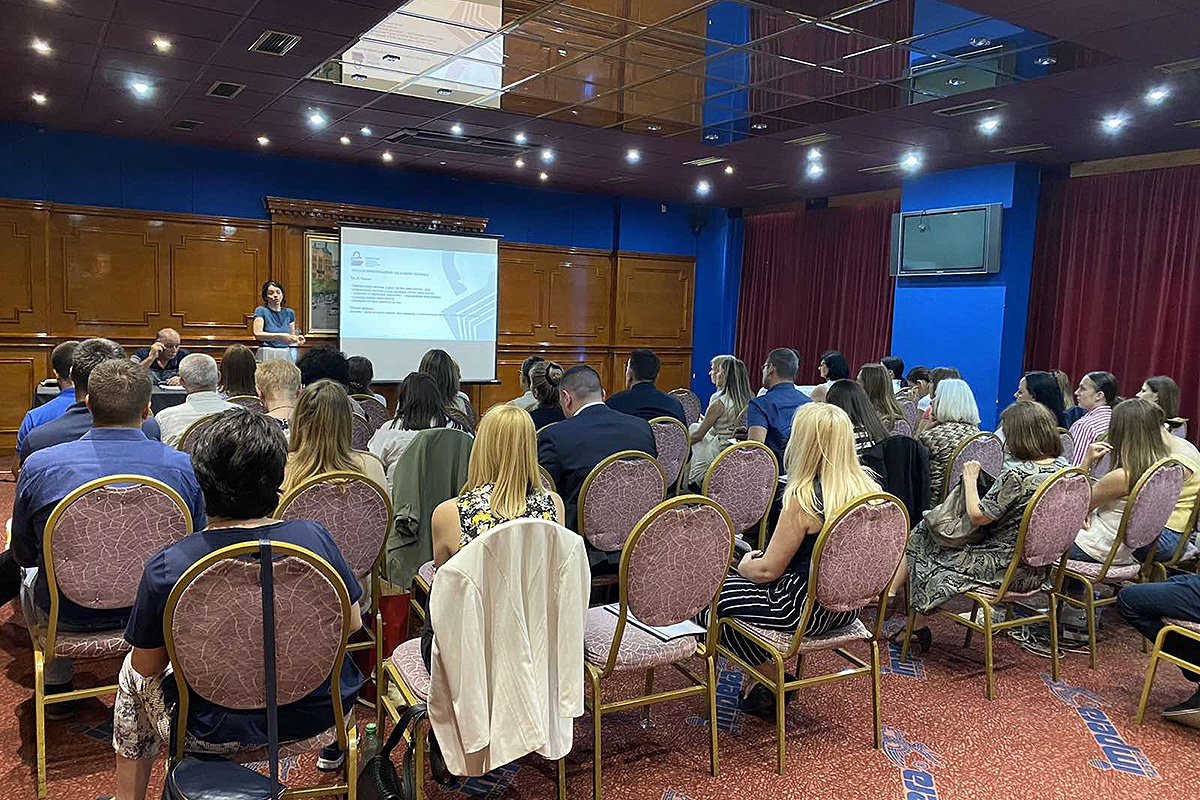
In June 2025, a specialized training program entitled "Classified Information, Business Secrets, and Professional Secrets as Grounds for Restricting Access to Information of Public Importance" was successfully conducted. The event brought together numerous public administration representatives with the objective of precisely defining the boundary between the public’s legal right to know and the statutory obligation to protect confidential data. Through an in-depth analysis of the Law on Free Access to Information of Public Importance, participants explored data protection mechanisms regarding information generated by, or related to, the work of public authorities. A primary focus was placed on the practical distinction of non-disclosable information to mitigate the risks of breaching confidentiality protocols. Participants mastered the complex procedural steps necessary for issuing legally sound decisions, thereby directly preventing the risk of such decisions being overturned by the Commissioner. The training also provided a detailed roadmap for avoiding high litigation costs and appeal expenses, which frequently arise from formal procedural errors in administrative actions. Through interactive workshops, authorized officials were equipped to independently identify statutory restrictions and apply them in accordance with the highest legal standards. The program delivered practical tools for aligning daily operations with regulatory requirements, further strengthening the professional integrity of public institutions. Our lecturers, through their invaluable expertise and experience, assisted participants in resolving the most common dilemmas encountered in the complex practice of information access. We extend our sincere gratitude to the speakers whose use of practical case studies empowered participants to make well-founded, merit-based decisions with confidence.
EMPOWERING PUBLIC GOVERNANCE: THE SUCCESS OF THE FIRST REGIONAL CONSULTATION ON ZLATIBOR
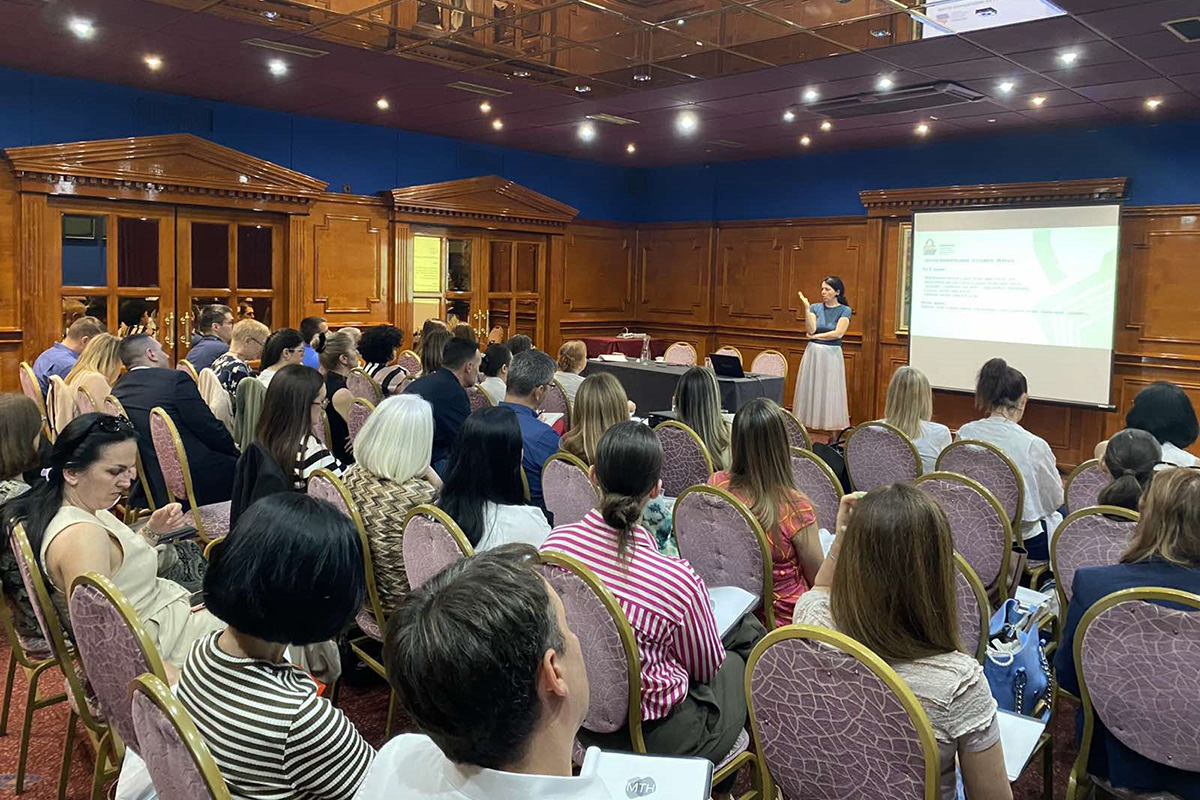
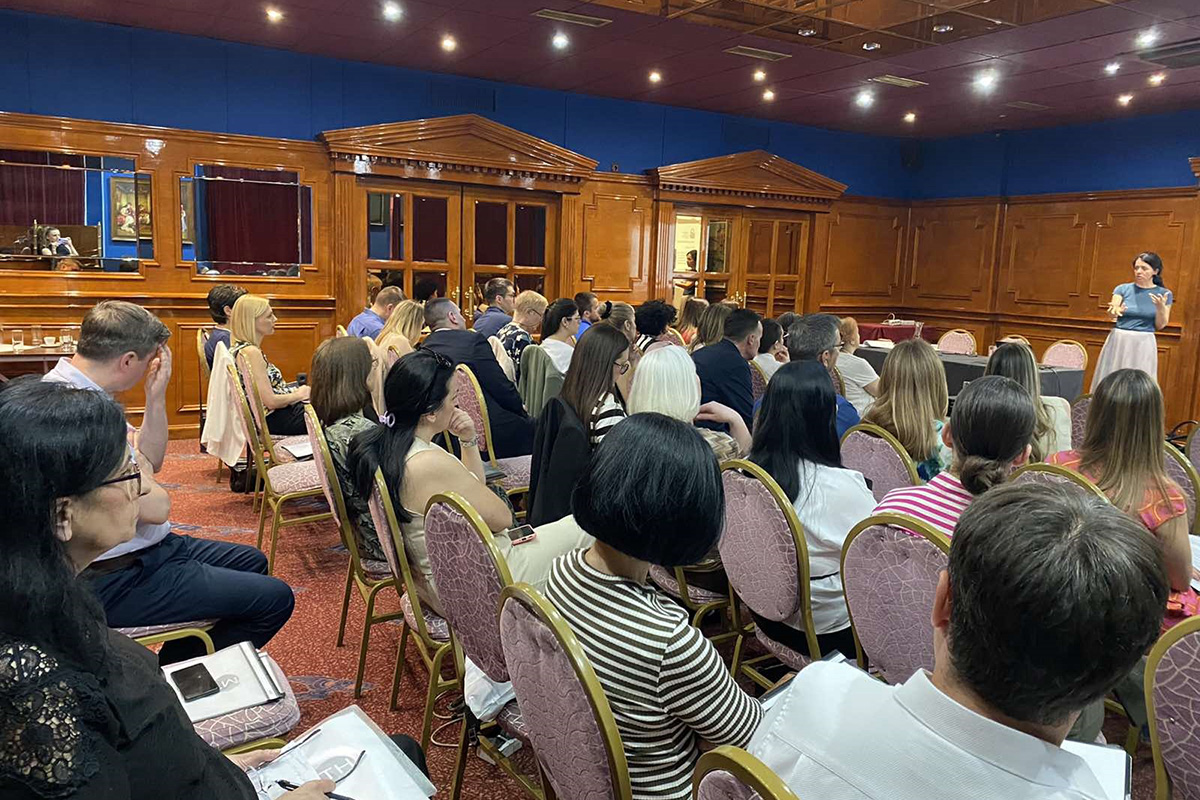
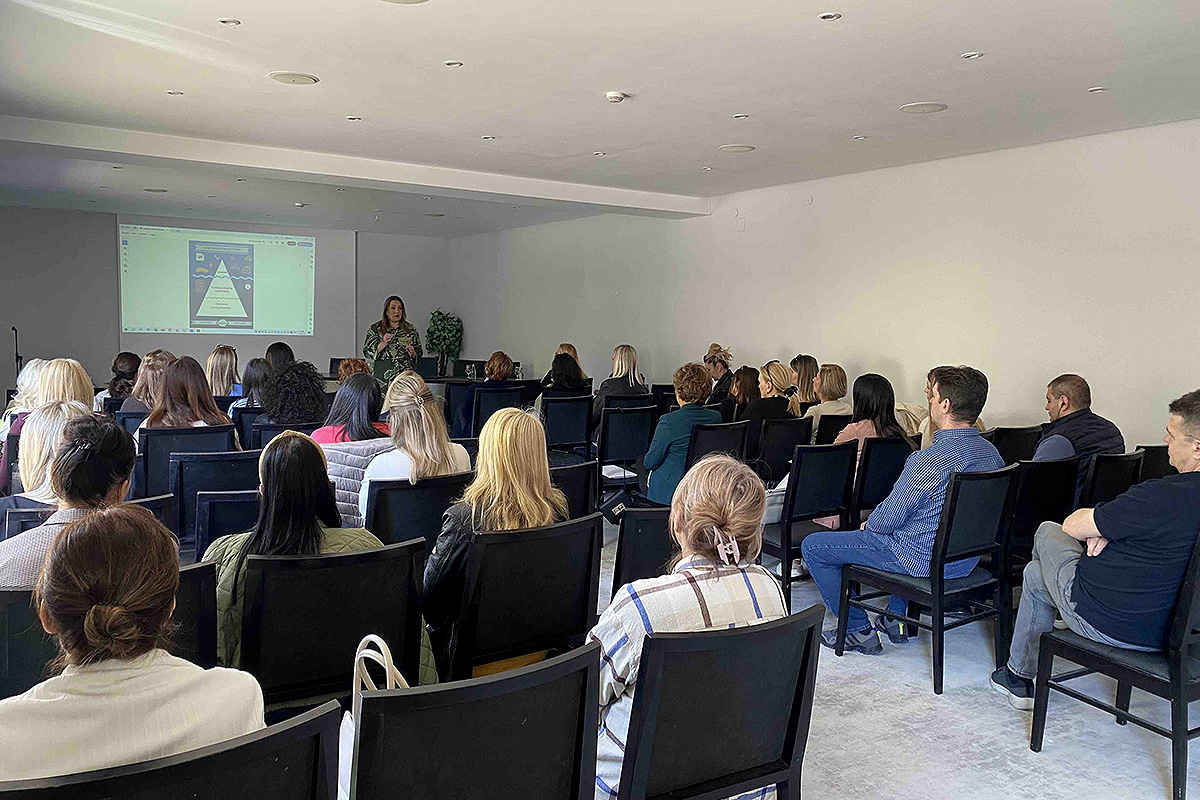
From May 11 to 14, 2025, the Palisad Hotel on Zlatibor hosted our First Regional Consultation dedicated to the development and modernization of public administration. This prestigious event brought together leading experts and numerous professionals from Serbia and Bosnia and Herzegovina, transforming this mountain retreat into a focal point for the exchange of expertise and innovative ideas. The consultation was designed as a unique platform for providing timely insights into the latest trends shaping the future of public administration in the region. Through a dynamic and interactive format, participants engaged in a series of panels and lectures addressing the core pillars of modern governance. A primary focus was placed on the advancement of e-government and the significance of open data, alongside the strategic evaluation of work performance and the strengthening of ethical integrity among public servants. Beyond digitalization and human capital, the program covered critical issues regarding the implementation of the Law on Personal Data Protection, as well as the complex aspects of corporate governance within the public sector. The true value of the consultation lay in the opportunity for direct dialogue, enabling participants to successfully resolve numerous practical dilemmas through discussions with the keynote speakers. A spirit of professional solidarity and a shared commitment to elevating institutional standards characterized every segment of the program. We extend our deepest gratitude to our eminent lecturers for sharing their invaluable knowledge, as well as to all participants from Serbia and Bosnia and Herzegovina whose proactive engagement enriched the outcomes of this gathering. Special thanks are also due to the staff of the Palisad Hotel, whose exceptional service and hospitality rendered our stay truly unforgettable. This consultation has established a solid foundation for future regional cooperation and the continuous advancement of the public sector.

THE REFORM LABYRINTH: THE REALITY OF CHANGE MANAGEMENT WITHIN COMPLEX PUBLIC SYSTEMS
Change management is far more than a mere administrative task; it is the cornerstone of any reform process aimed at state modernization. It represents a systematic and holistic approach to managing the transition of organizational goals, processes, and technologies. The primary purpose of this discipline is to implement robust strategies for controlling change while providing the essential support necessary for human resources to adapt. However, transforming the public sector carries a unique institutional weight that private corporations rarely encounter.
The fundamental challenge for leaders lies in the inherent complexity of managing change within a public framework. The answer is often found in rigid bureaucratic constraints that stifle innovation and decelerate critical reformatory steps. This is further compounded by short leadership tenures, which often pressure executives to prioritize "quick wins" over long-term, sustainable transformation. Additionally, the sheer volume and intricacy of competing priorities—where attempts are made to reform multiple sectors simultaneously—often lead to strategic dilution.
In such an environment, friction frequently arises between the localized interests of specific departments and the overarching reform priorities of the state. A chronic underinvestment in project management expertise and resources often leaves institutions without the necessary tools to translate vision into action. These limited financial and human capacities create "bottlenecks" that hinder even the most well-conceived strategies.
While political will remains a decisive factor, it is also the most volatile variable in the equation of success. Public sector executives must constantly navigate the pressures of various interest groups, political factions, and regional agendas. Each stakeholder maintains a distinct set of priorities, making the process of reaching a consensus exceptionally taxing.
Ultimately, the human element is what either drives change or brings it to a definitive halt. Resistance from civil servants, accustomed to established workflows, creates a significant psychological barrier. Concurrently, citizens often hold conflicting views on the direction of reforms, further complicating the establishment of clear priorities. Without fostering an awareness of content filtering and impact analysis, the public sector remains tethered to obsolete paradigms.
Therefore, effective change management requires more than just legislative action—it demands a fundamental shift in organizational culture and mindset. A successful transition is only possible when synergy is achieved between political backing, expert resources, and transparent internal communication. Only those systems that master resistance management and align their resources with their priorities can expect genuine progress in the 21st century.
SOCIAL MEDIA – A POWERFUL TOOL OF INFLUENCE
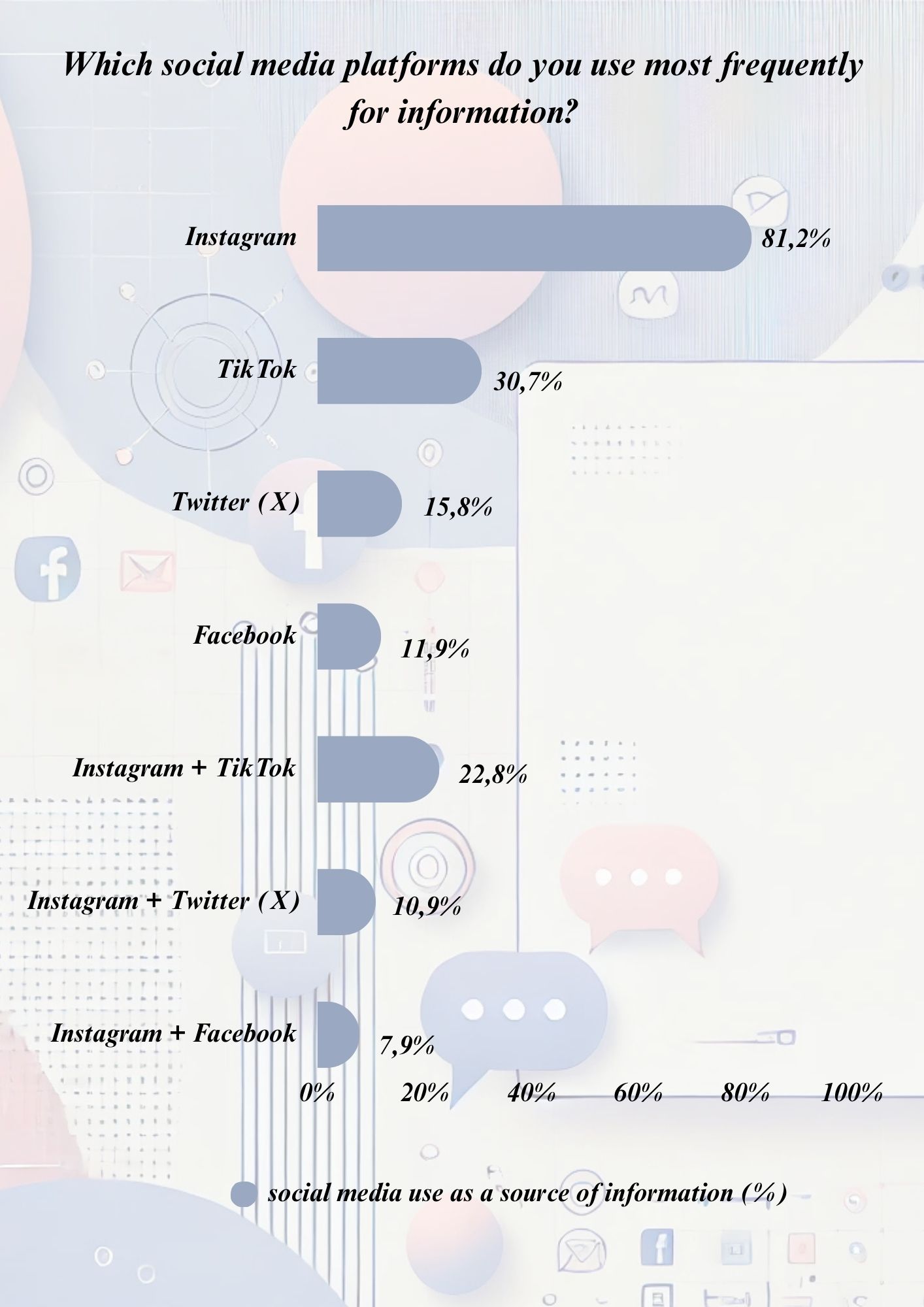
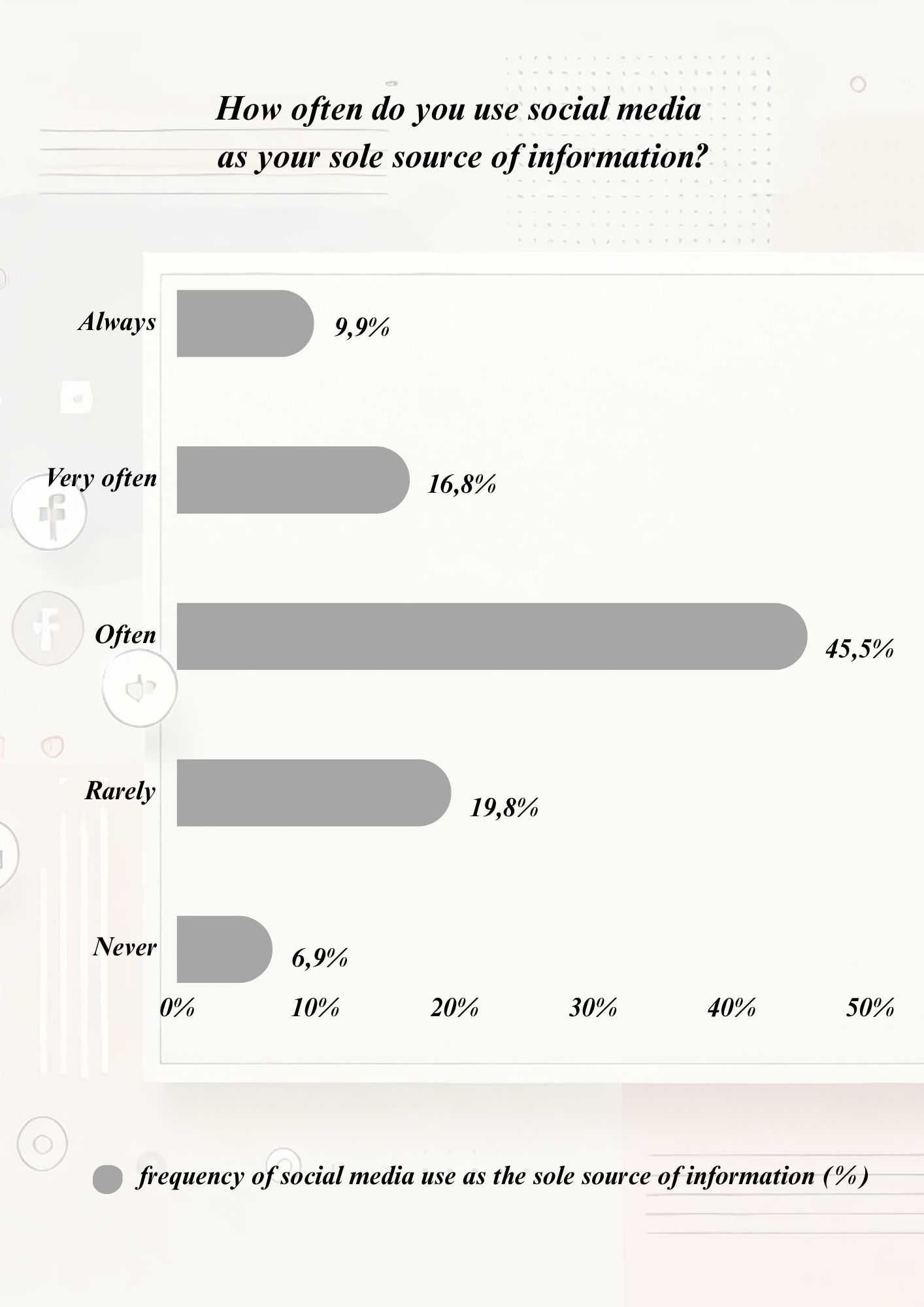
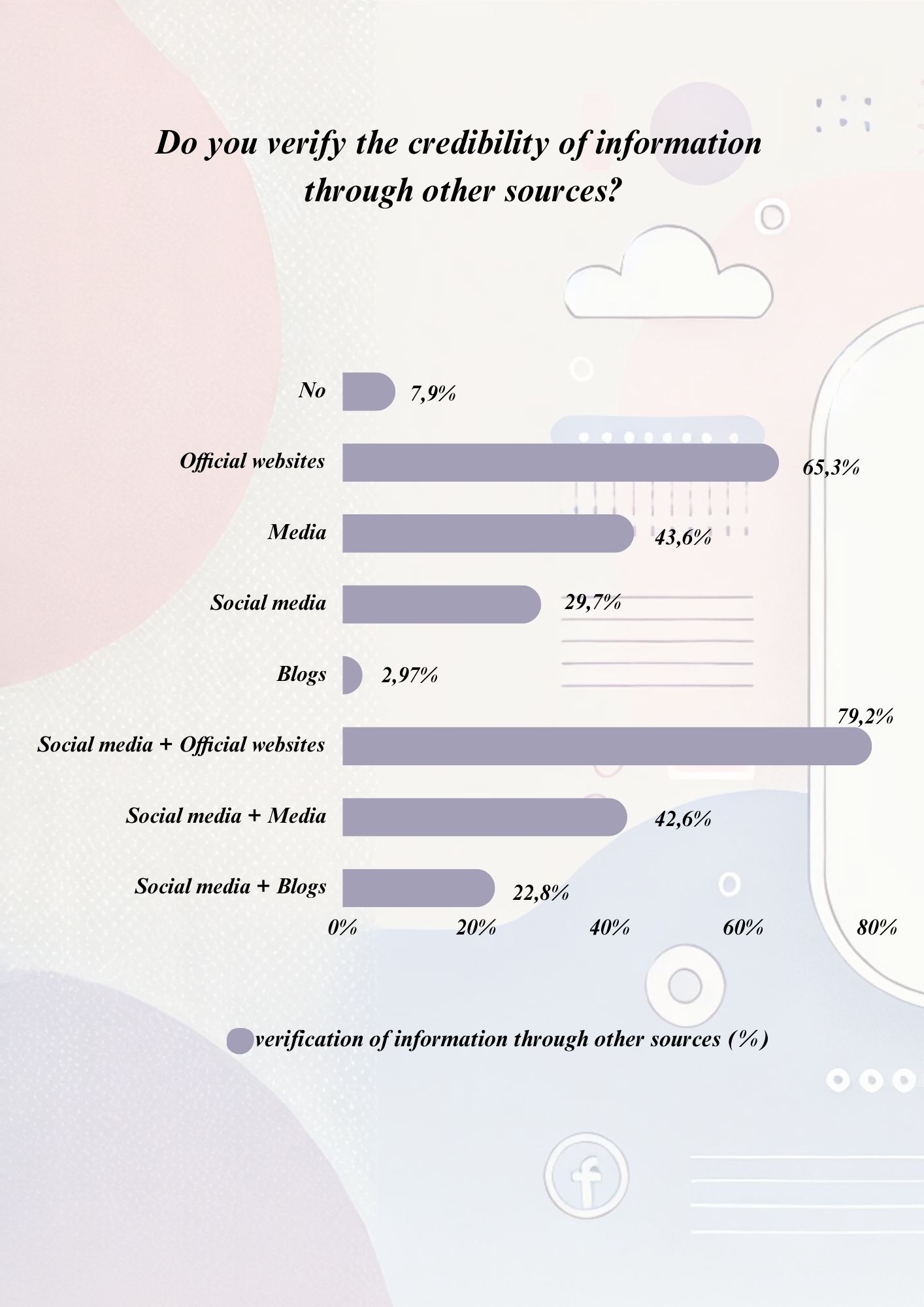
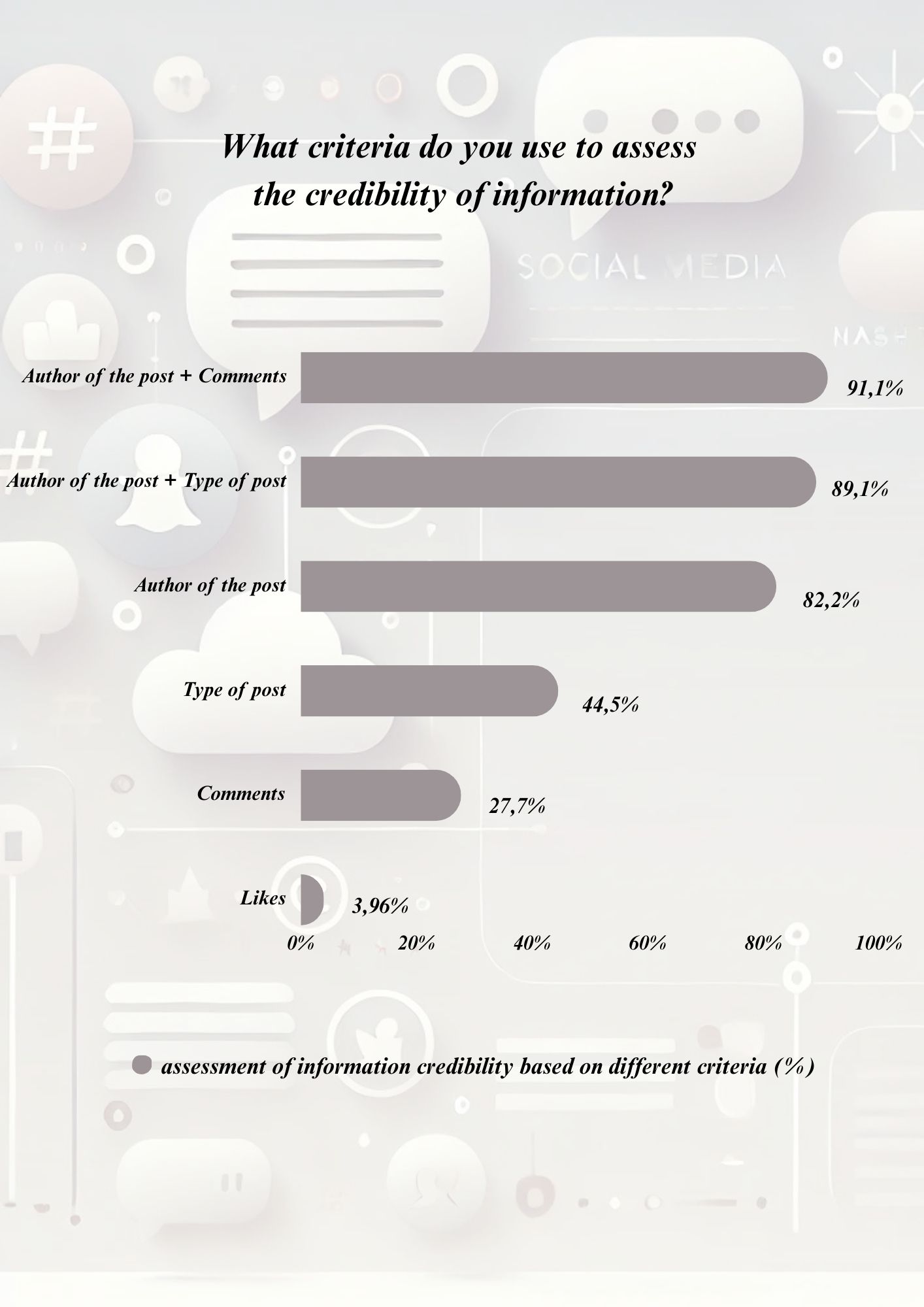
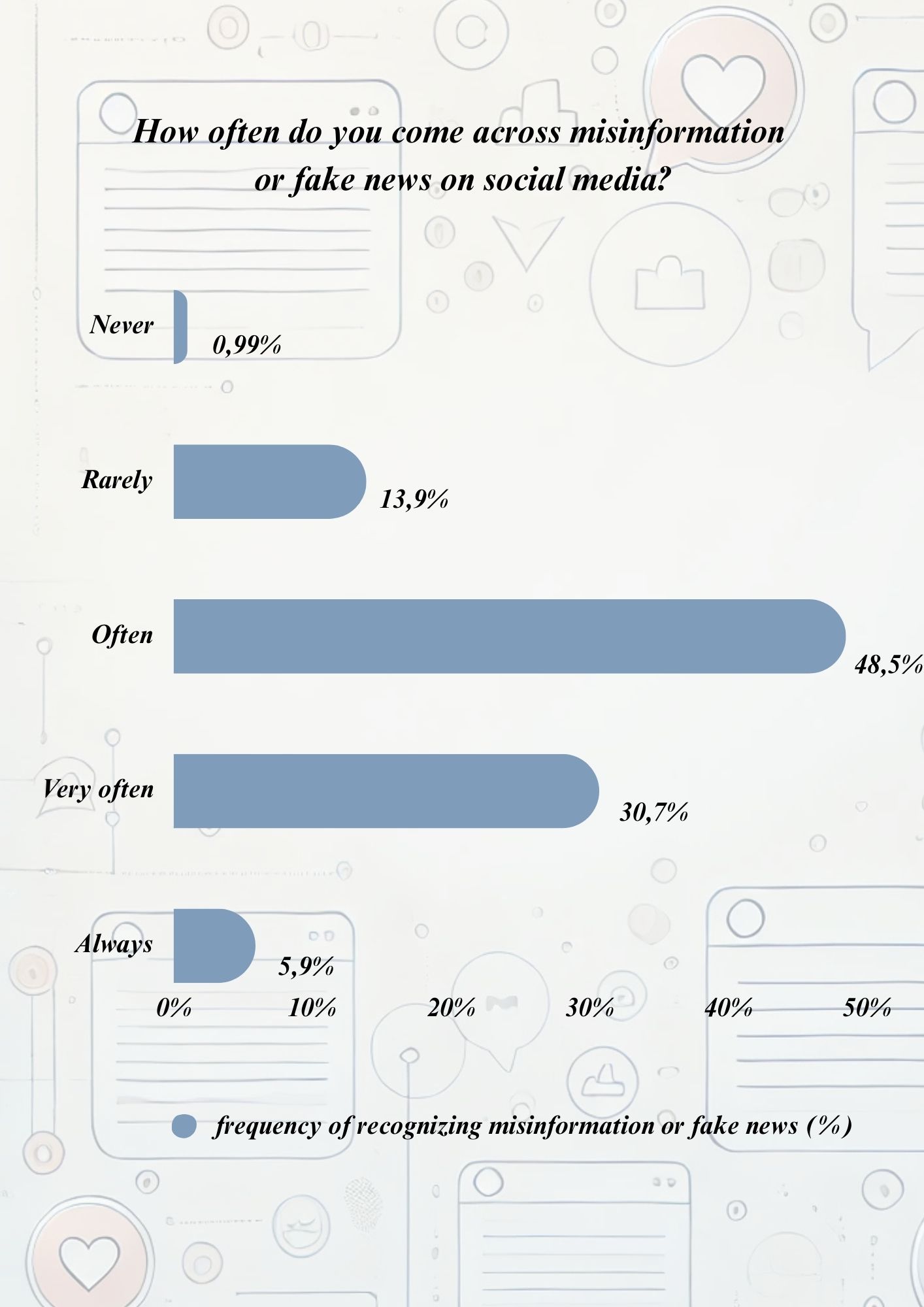
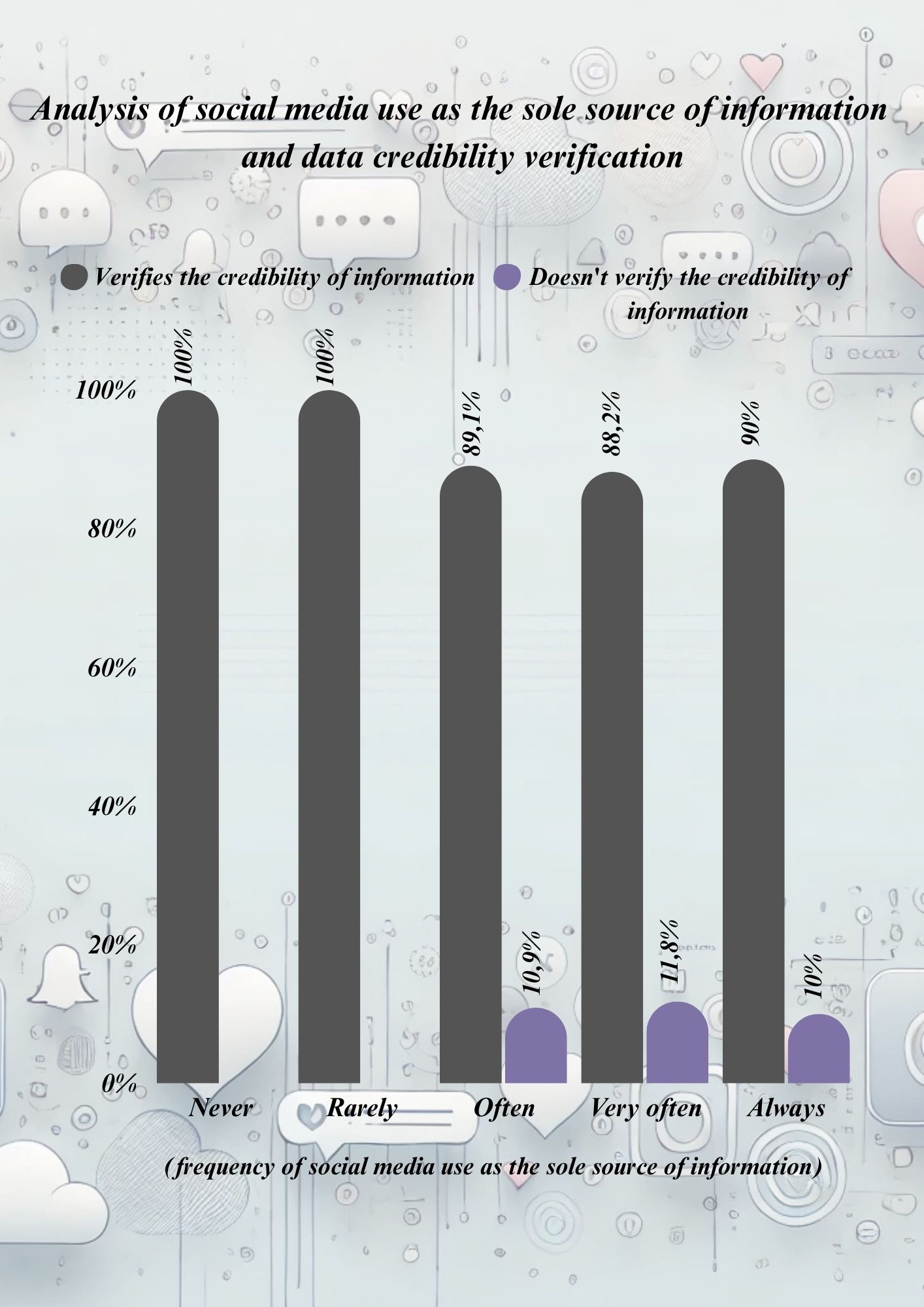
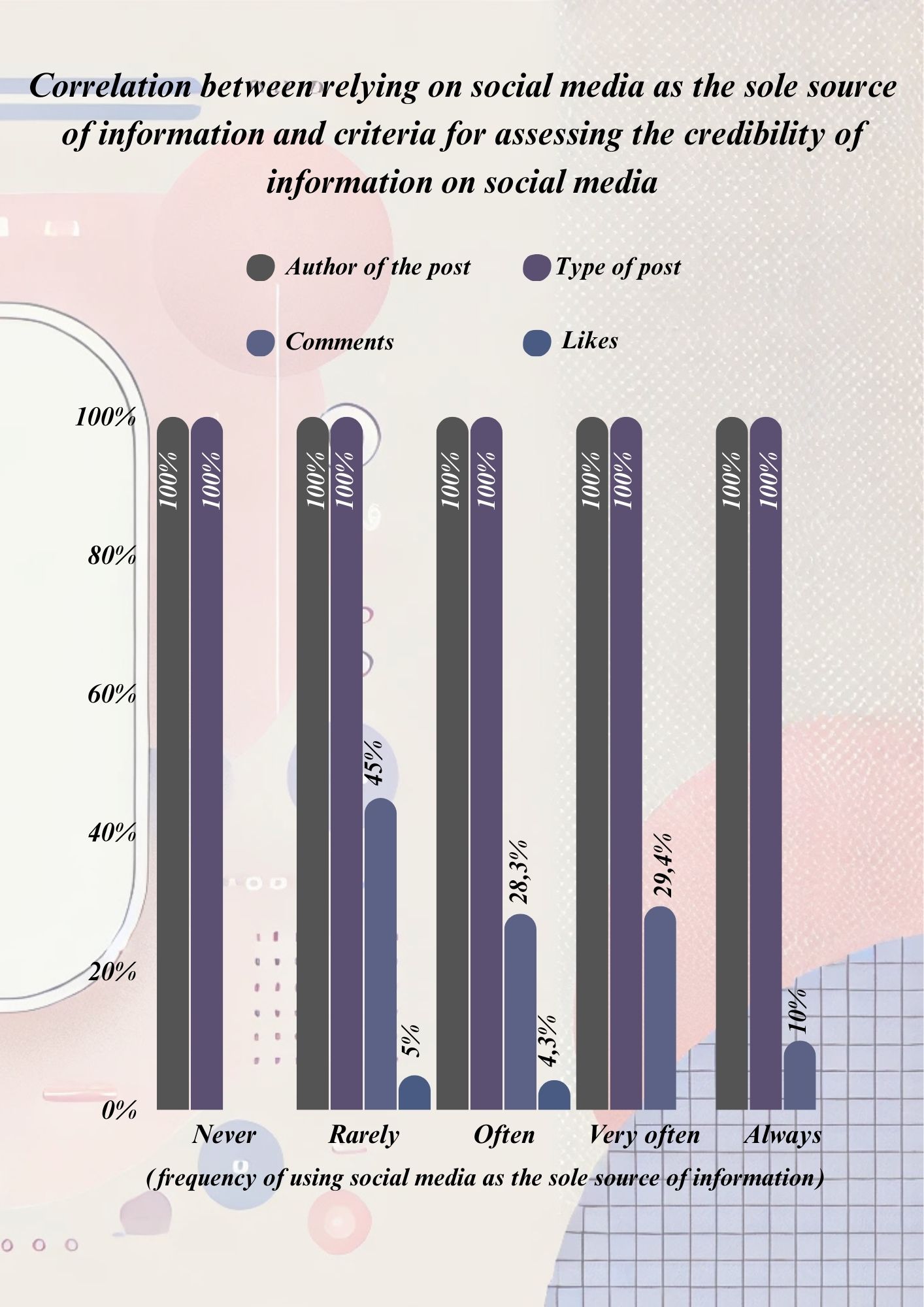
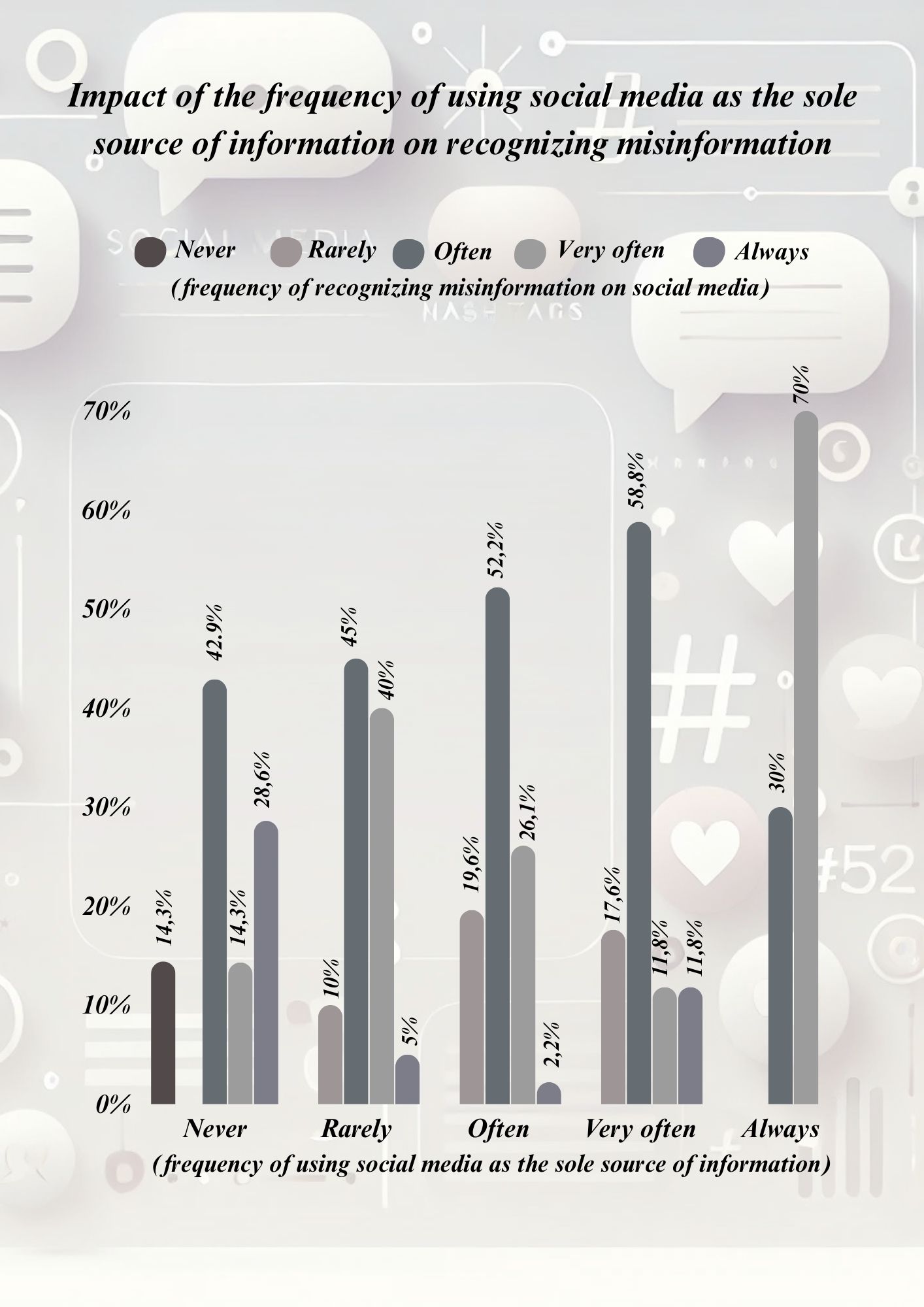
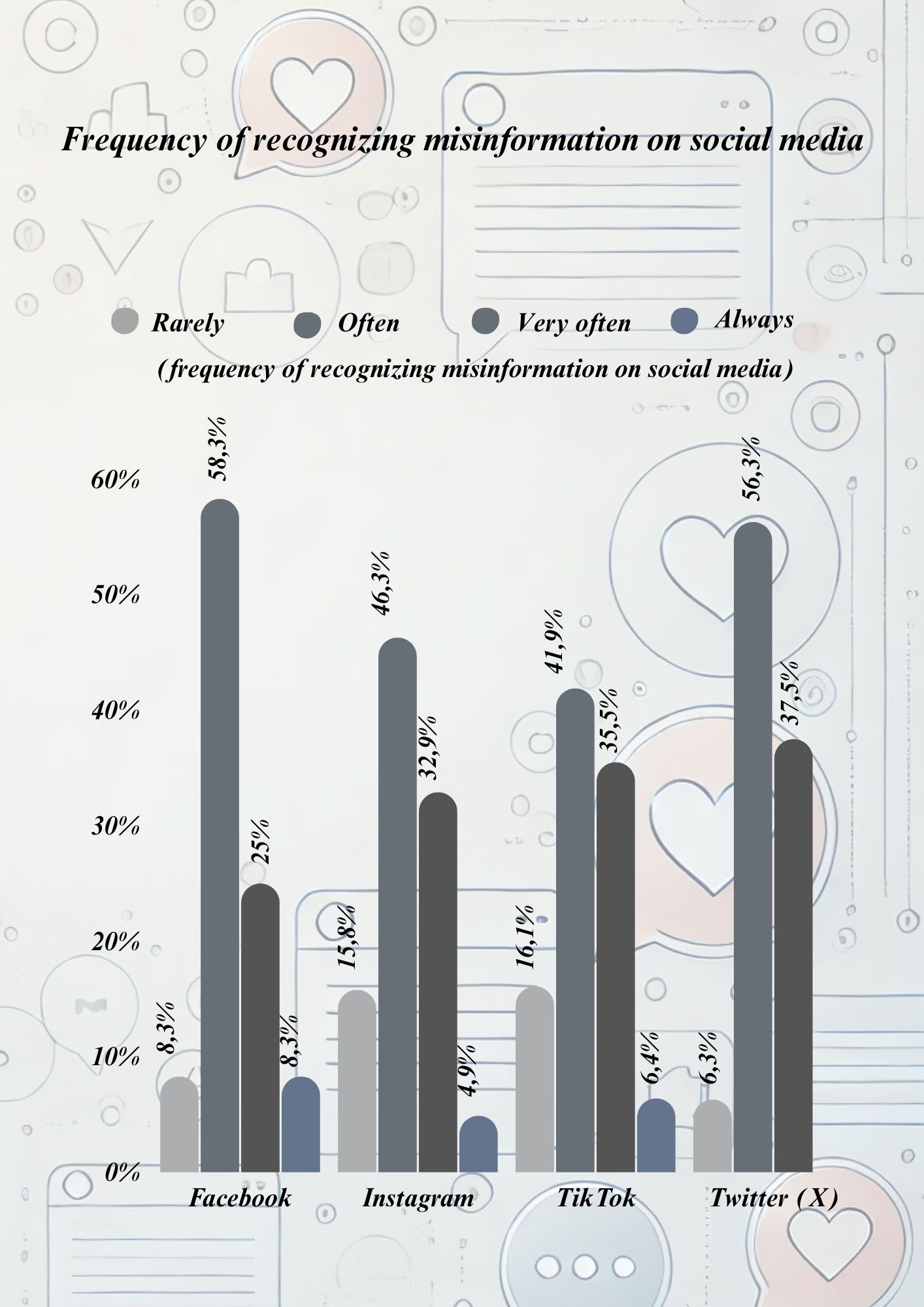
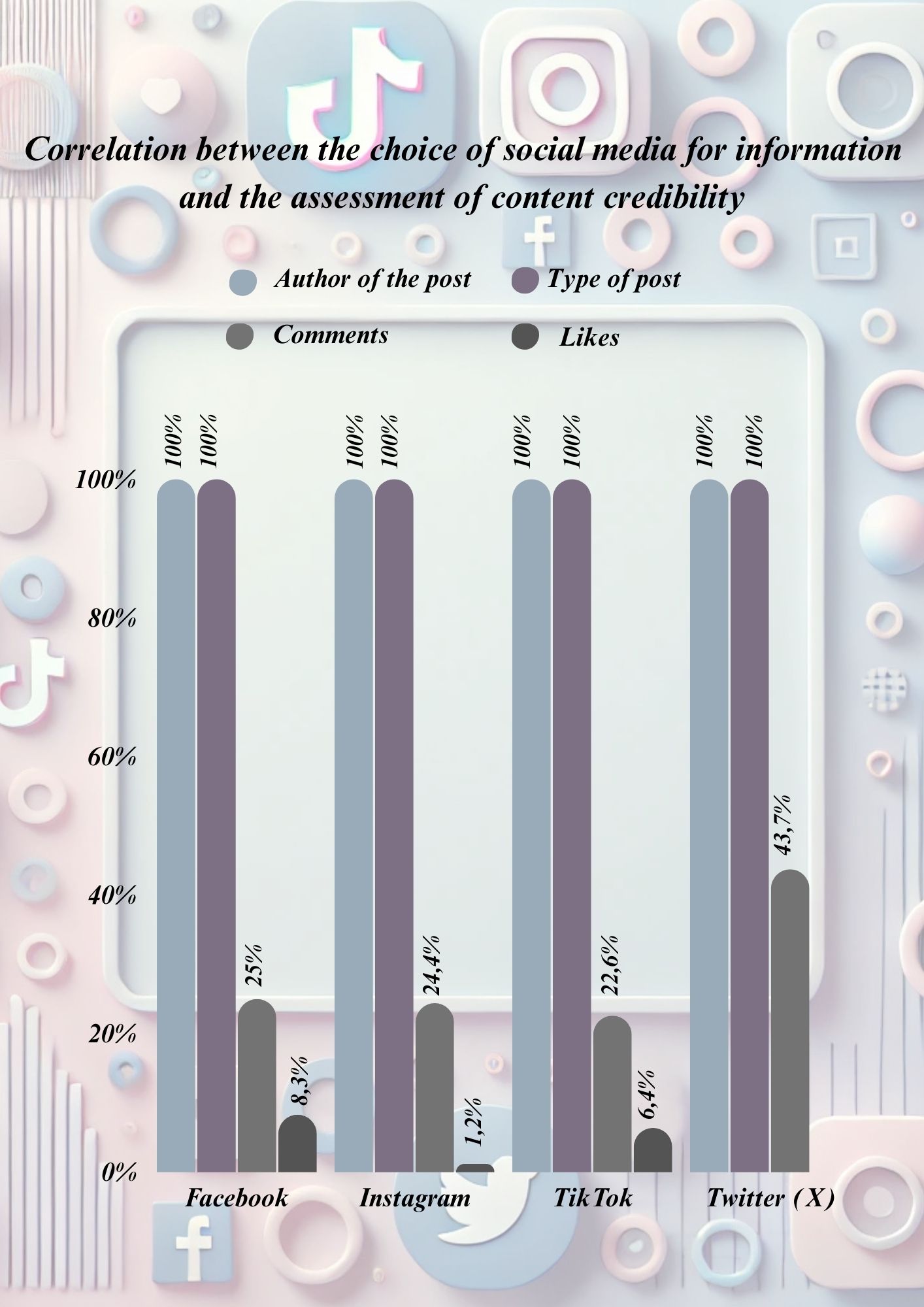
In February 2025, we conducted a study among a representative sample of students in the Republic of Serbia to examine their information-gathering habits and the level of trust they place in content shared on social media. The research indicates that students in Serbia increasingly rely on social media—primarily Instagram and TikTok—as their primary news sources. In contrast, traditional platforms such as Facebook are steadily losing relevance, highlighting a clear shift in the information-gathering preferences of the younger demographic. While social media remains dominant, respondents demonstrate a high level of awareness regarding the risks of misinformation. Most seek to verify the accuracy of information through secondary sources before accepting it as factual. Verification is typically performed via official channels and established media outlets, suggesting a sophisticated understanding of the importance of source credibility. When evaluating content, students prioritize the author’s expertise and the quality of the content over the post's popularity, further confirming a growing capacity for critical thinking. However, the study also reveals that a segment of respondents still accepts information without further scrutiny, while verification criteria are simultaneously becoming less rigorous. In an era where social media profoundly shapes public opinion, raising awareness about content filtering and analytical methods is becoming increasingly vital. Explore the key findings of this research below.

VIRTUAL EDUCATION
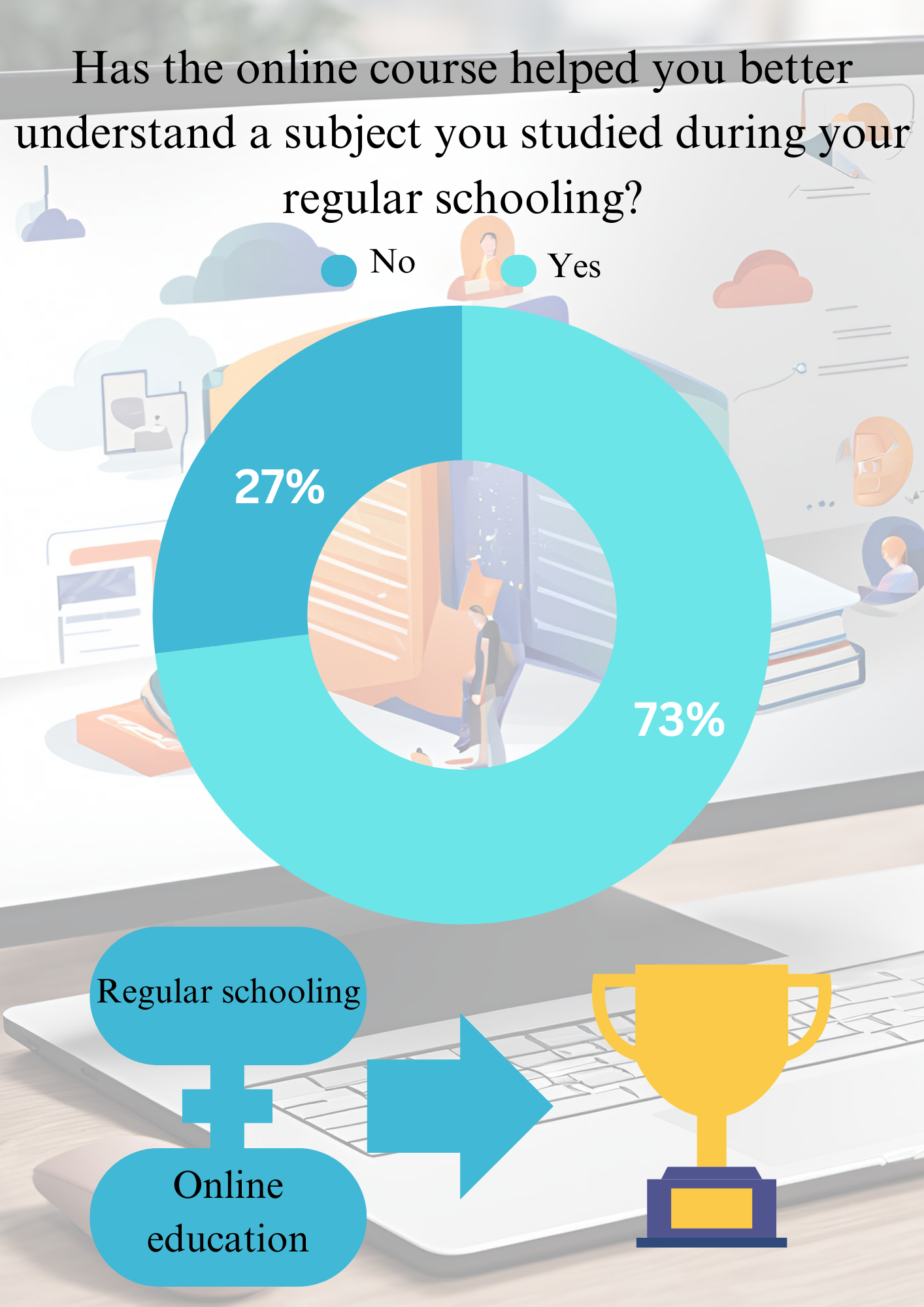
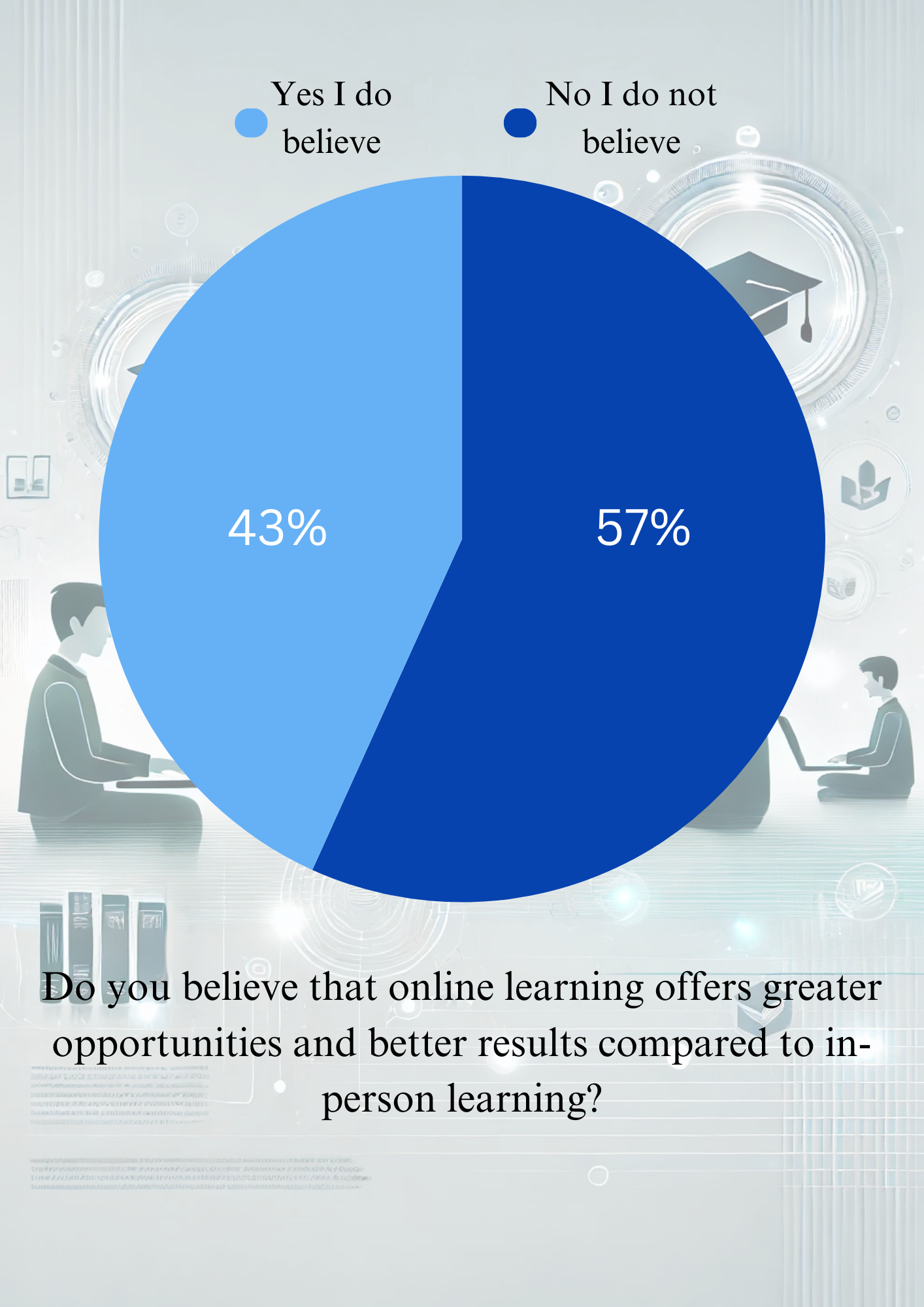
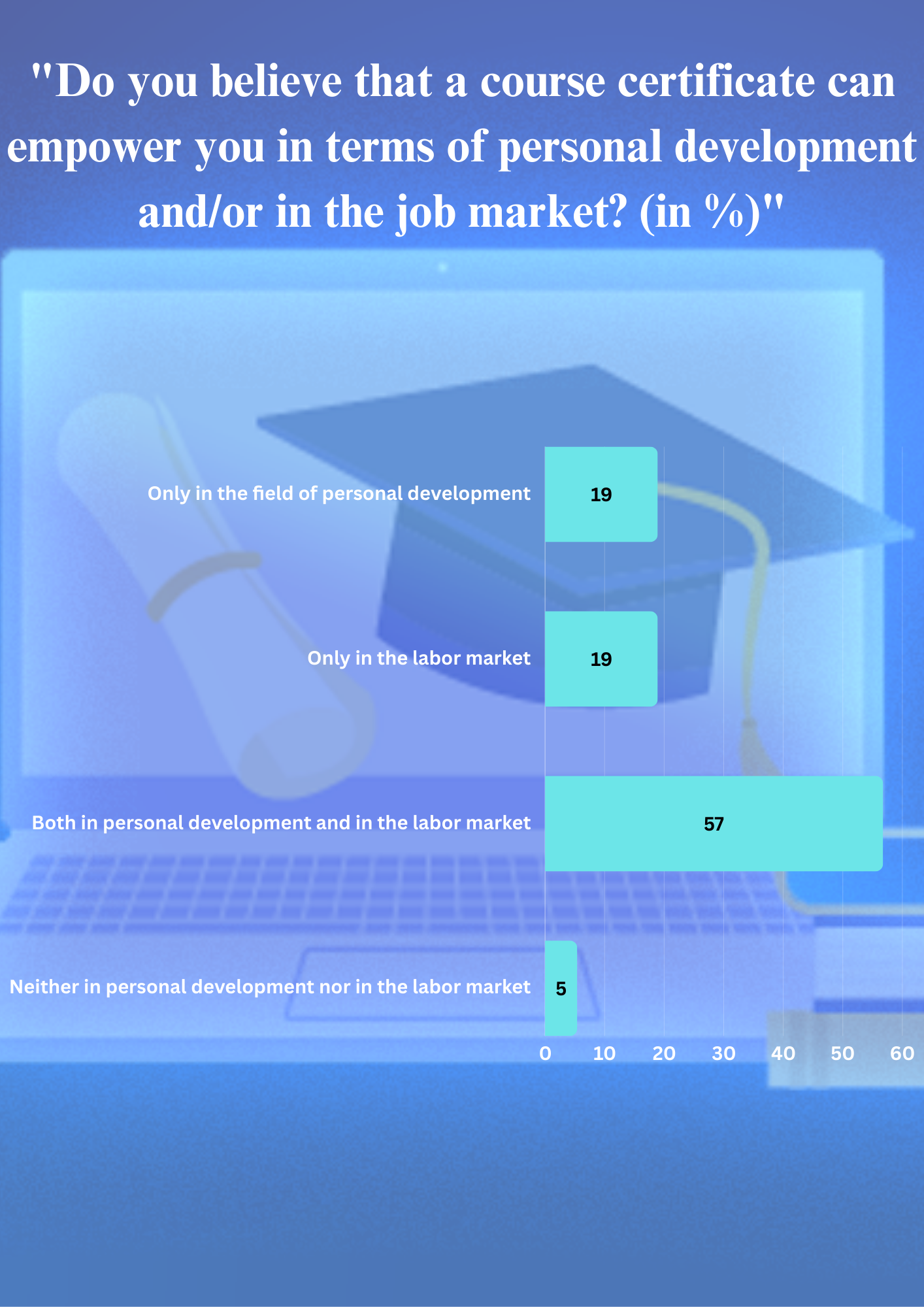
Online education is becoming an increasingly important global trend among students, as well as employees who want to change careers or improve both their professional and personal skills. In developed countries, online education has reached a remarkable level, while research shows that, although young people in Serbia are generally familiar with the topic, they are not keeping up with this trend. In November and December, we conducted a study among young people aged 18 to 28 to learn more about their attitudes and perceptions towards this mode of learning. We explored how familiar they are with different platforms and providers of online courses, whether online education has helped them better understand subjects during their regular schooling, and what their beliefs are regarding traditional in-person learning. The research revealed that in Serbia, there is still some resistance to the full integration of online education, with a particular emphasis on the irreplaceability of direct contact with professors. The key findings of this research are presented in the following sections.
RESPONSIBLE PUBLIC FINANCE MANAGEMENT
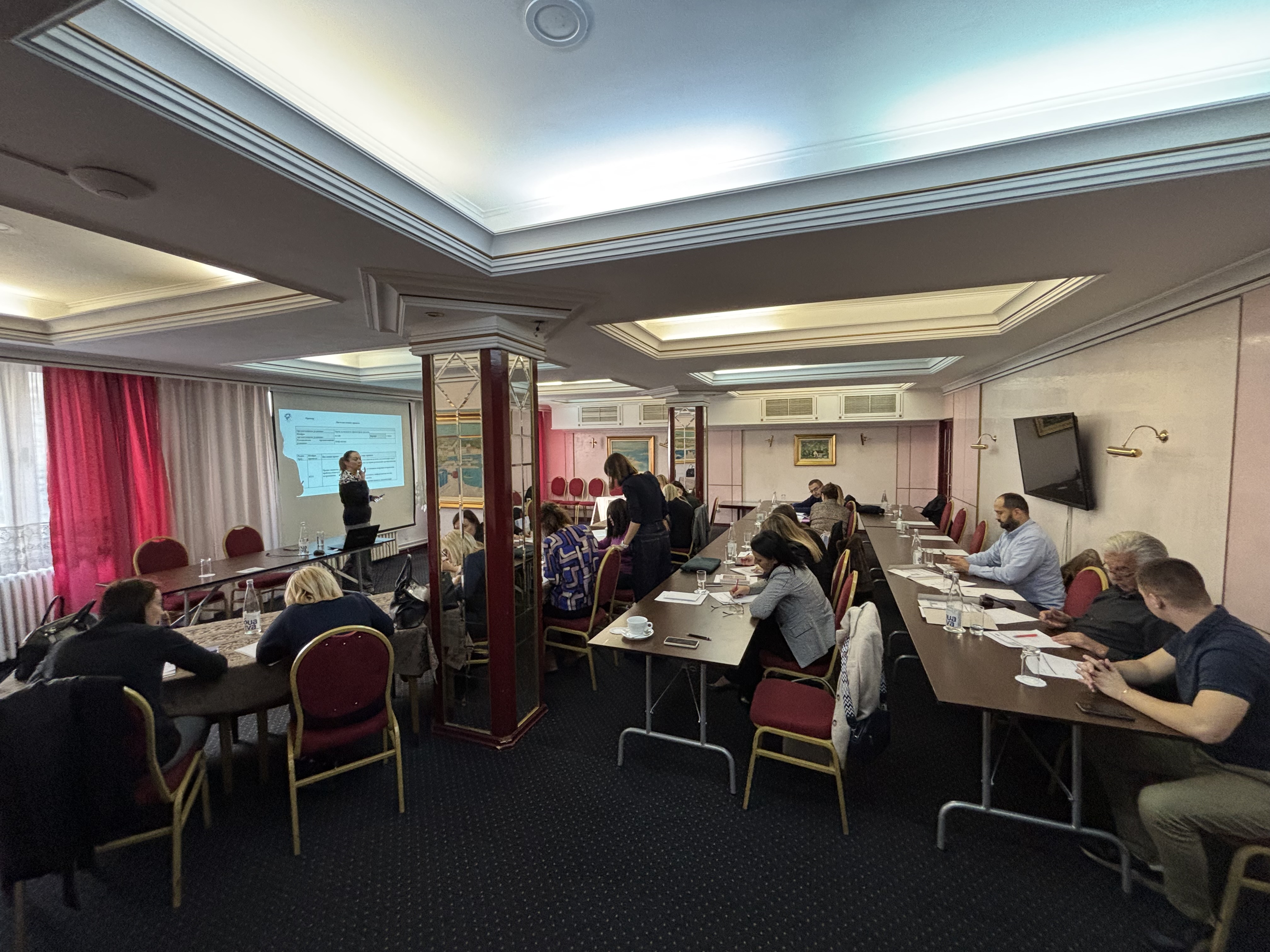
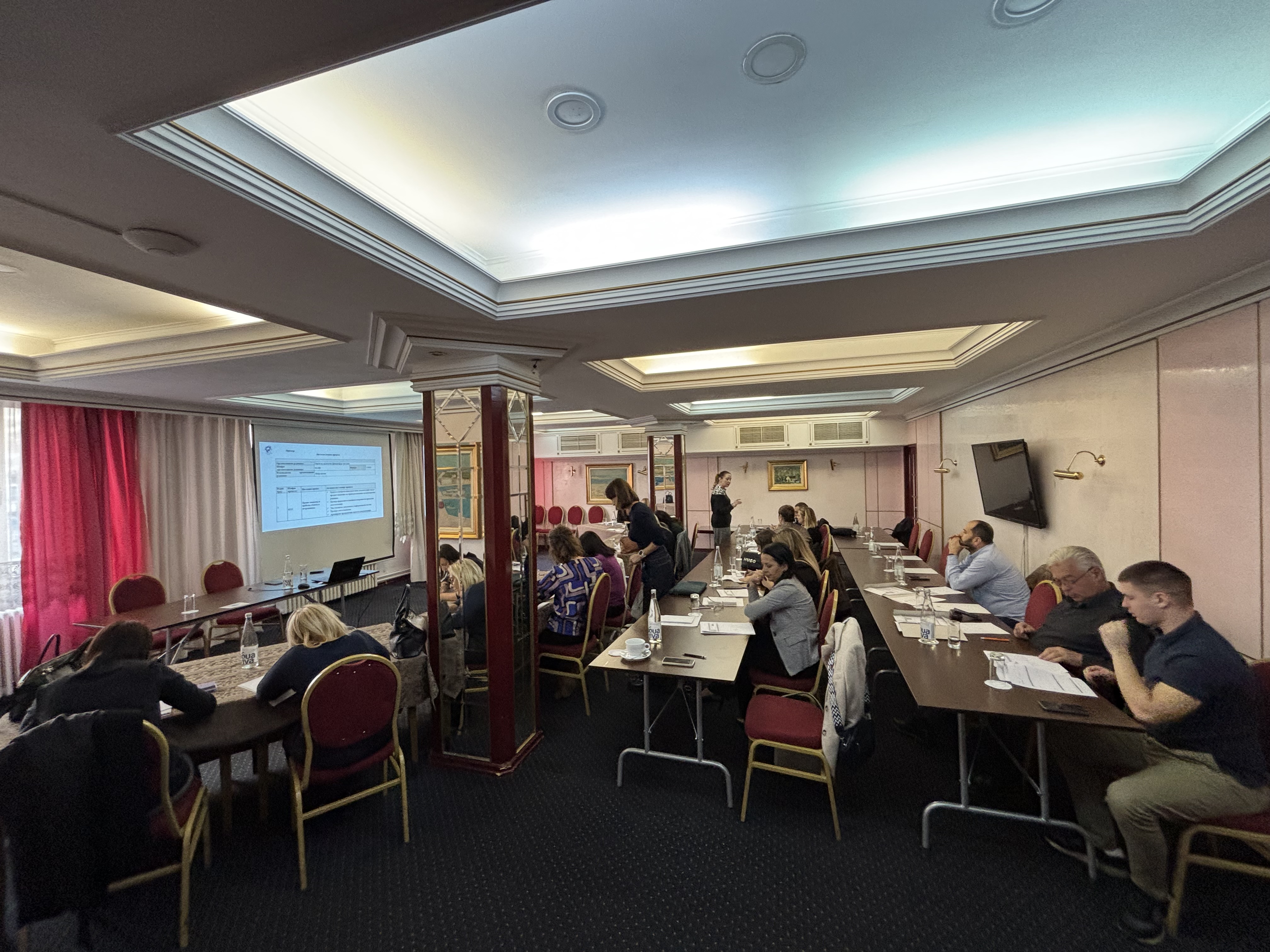
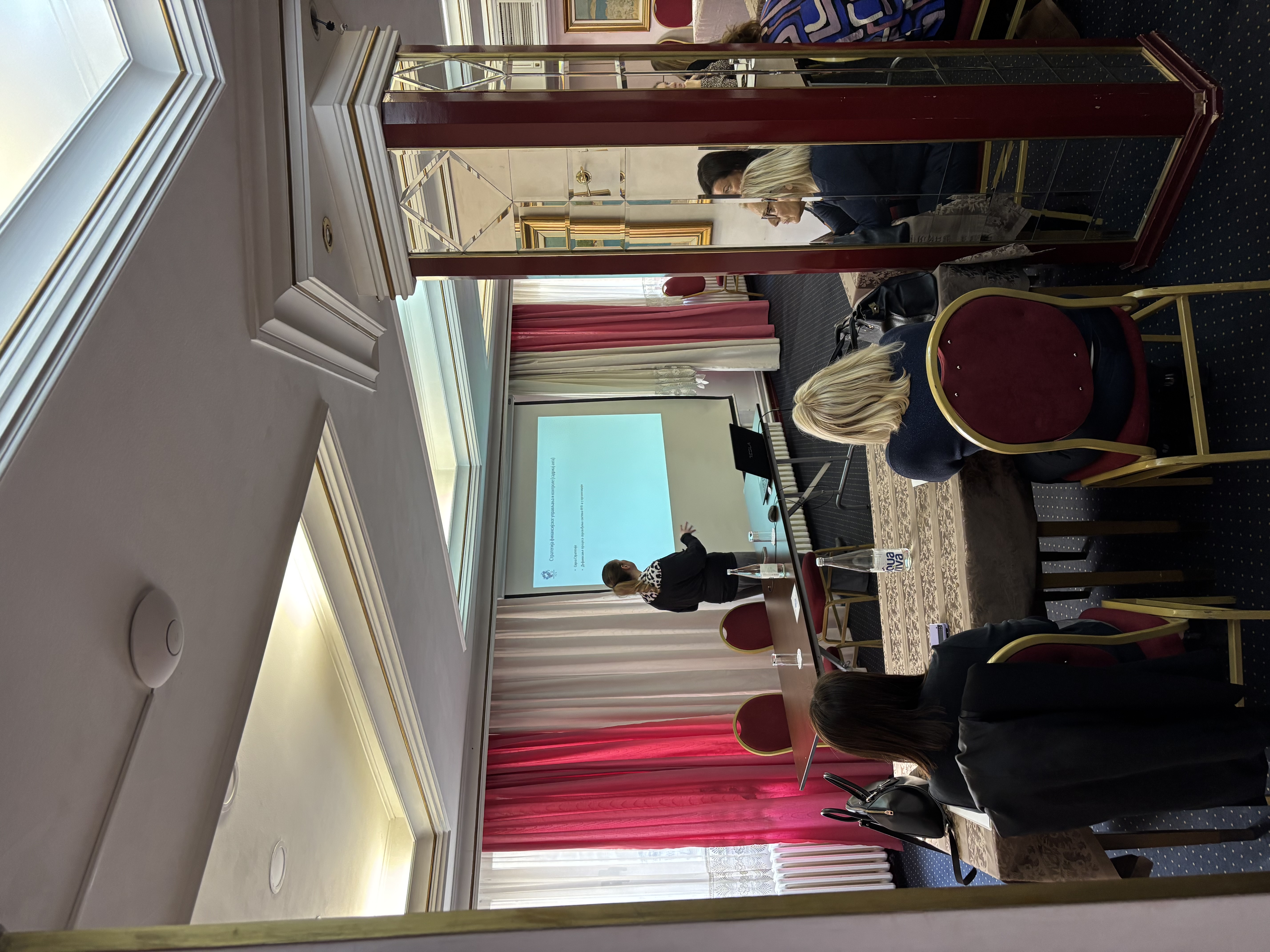
The Law on the Budget System of the Republic of Serbia mandates the implementation and updating of the Financial Management and Control (FMC) system. This complex and valuable system is a requirement for all public sector organizations and serves as the foundation for responsible management of public funds. For this reason, a significant number of representatives from public administration bodies and organizations gathered at the workshop titled "Managing and Improving Financial Management and Control," held on November 5, 2024, at the "Palas" Hotel in Belgrade. The event, organized by the ICS Educational Center, aimed to provide participants with practical and valuable knowledge on how to implement and enhance this system within their organizations. Through practical examples and challenges in introducing and improving the FMC system, attendees had the opportunity to identify their own processes, formalize them through procedures, and manage risks responsibly and in a timely manner. We would like to once again express our gratitude to all the participating organizations for their trust, and we believe they will effectively apply the practical knowledge gained to enhance their day-to-day operations.

MOKRA GORA 2024 – OCTOBER 2024
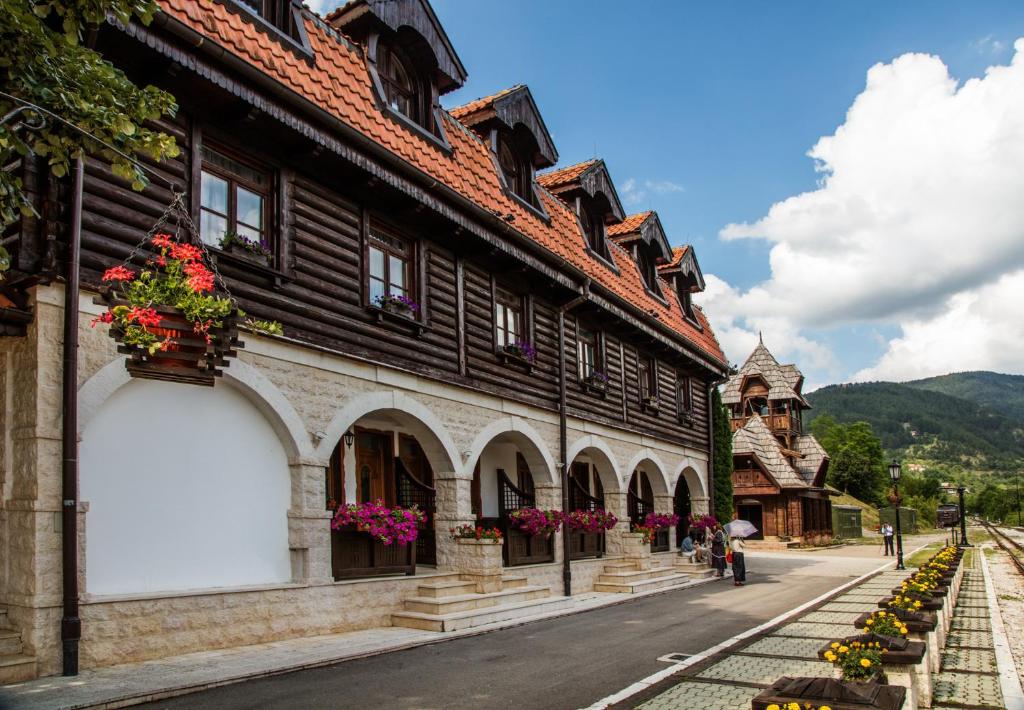
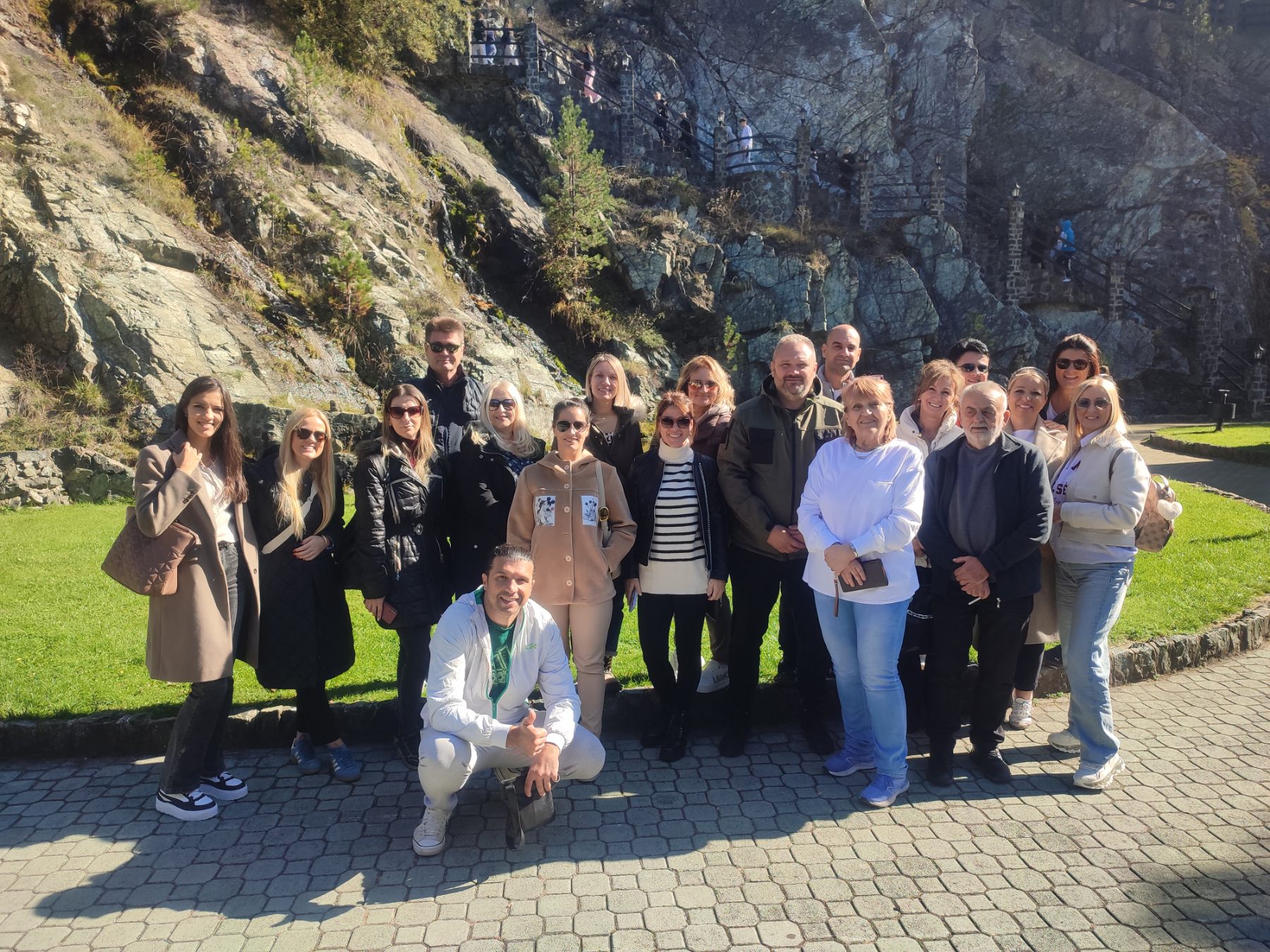
The multi-day education of Mokra Gora 2024 was another opportunity to get closer to employees in various public administration bodies and organizations and provide additional clarifications regarding the application of current and new regulations. The program included multiple fields of public administration, so in this education, we dealt with electronic administration, labor and legal relations, protection of personal data, access to information of public importance, as well as important skills for professional and personal development. The participants had the opportunity to establish a direct relationship with the leading experts in this field in the exceptional resort of Mokra Gora and Hotel "Šarganska Osmica", to exchange experiences and gain broader and better insights. Once again, we would like to thank the institutions of public administration who chose us as a guide in the complex changes of the public reform, as well as the extremely kind, organized, and professional staff of the Hotel "Šarganska Osmica" for an unforgettable companionship and feeling of welcome. See you soon at some new educational and pleasant gatherings.

SOCIAL MEDIA – A NEW FORM OF SOCIAL LIFE
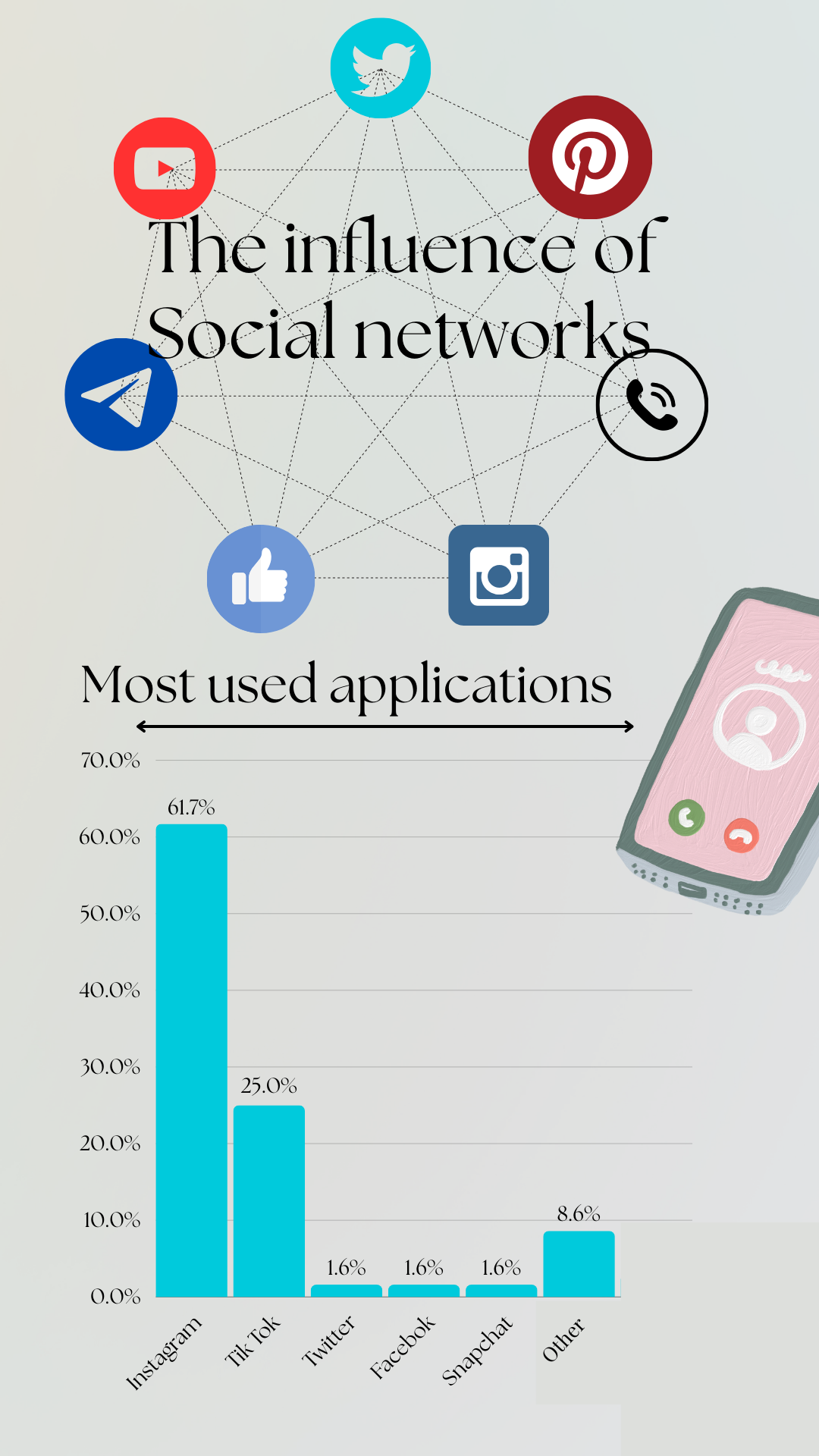
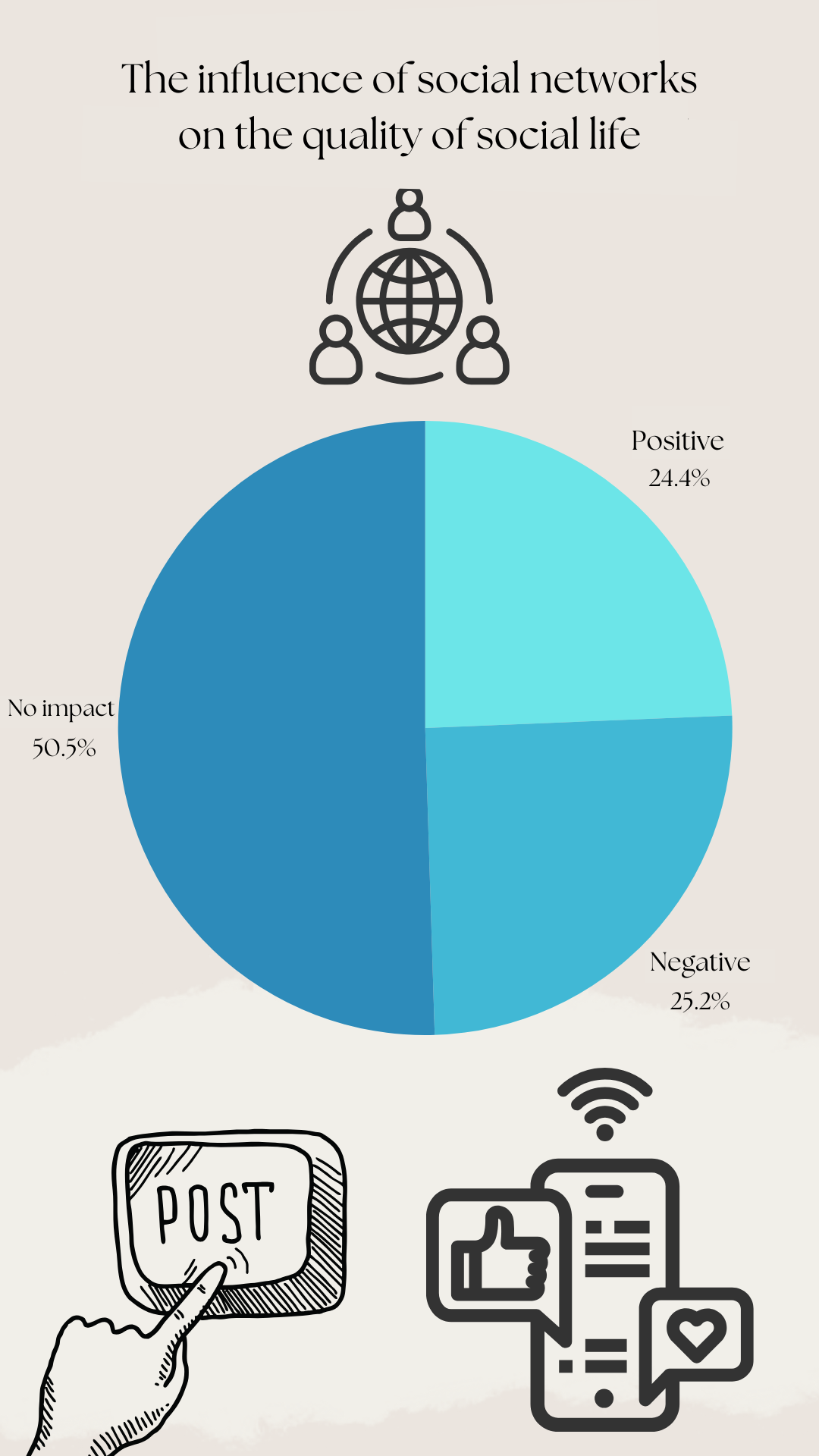
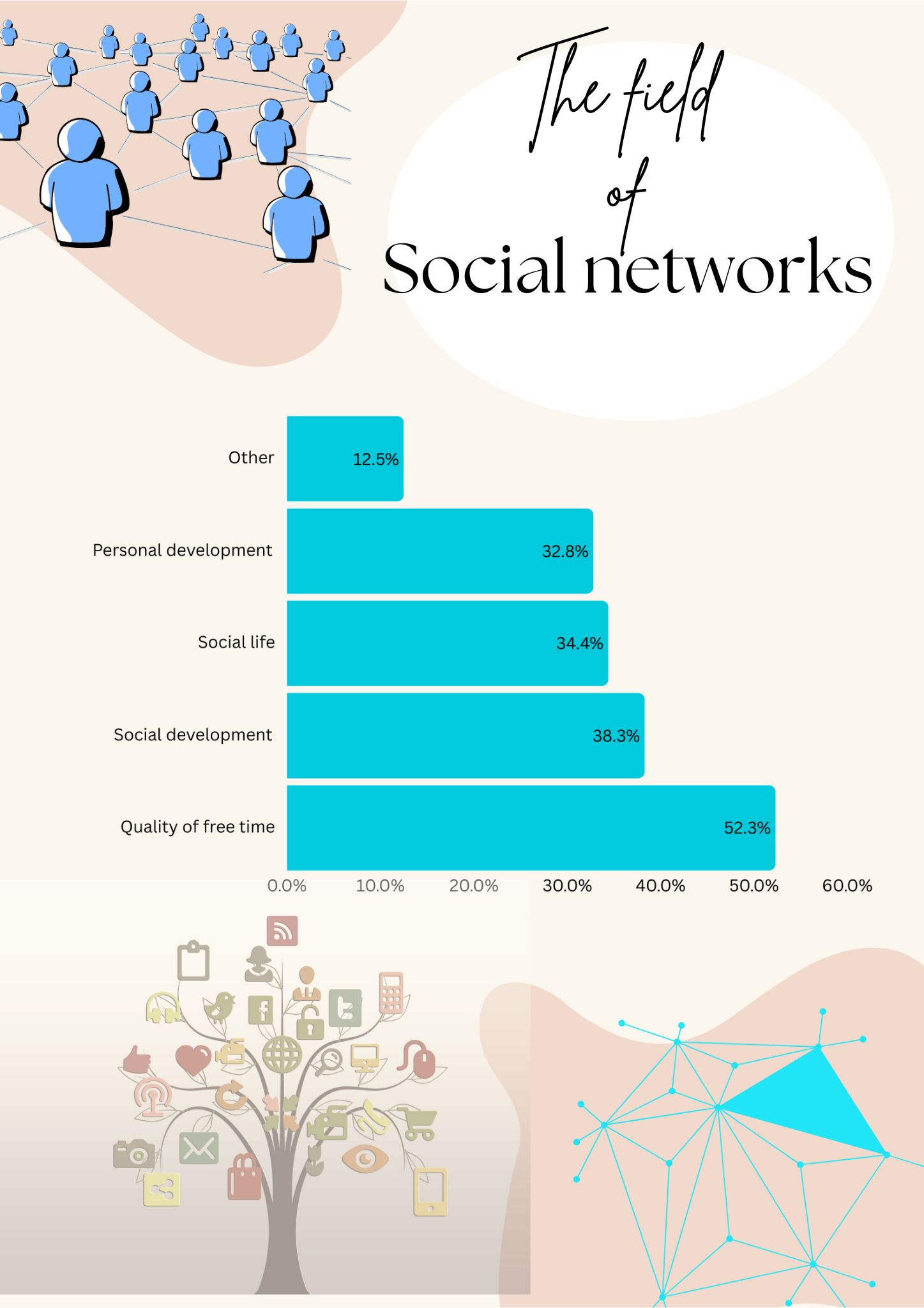
Globally, more than 5 billion people use social media every day, and recent studies show that nearly half of all social media users spend more than 3 hours daily engaging with various content. The most significant and persistent social media users are individuals aged 18 to 34, which is why in October 2024, we conducted a study to explore the views of respondents from this demographic group in Serbia regarding the impact of social media on their social lives, and whether social media is becoming a new form of social interaction. Through an online survey, participants had the opportunity to answer questions about how much time they spend on social media daily, which platforms they use, and how their social media use affects other aspects of their social life. The results of this study revealed that social media has become dominant over other forms of social engagement and that there is a very low awareness of its fundamental impact on mental health. Here are the key findings from this analysis...
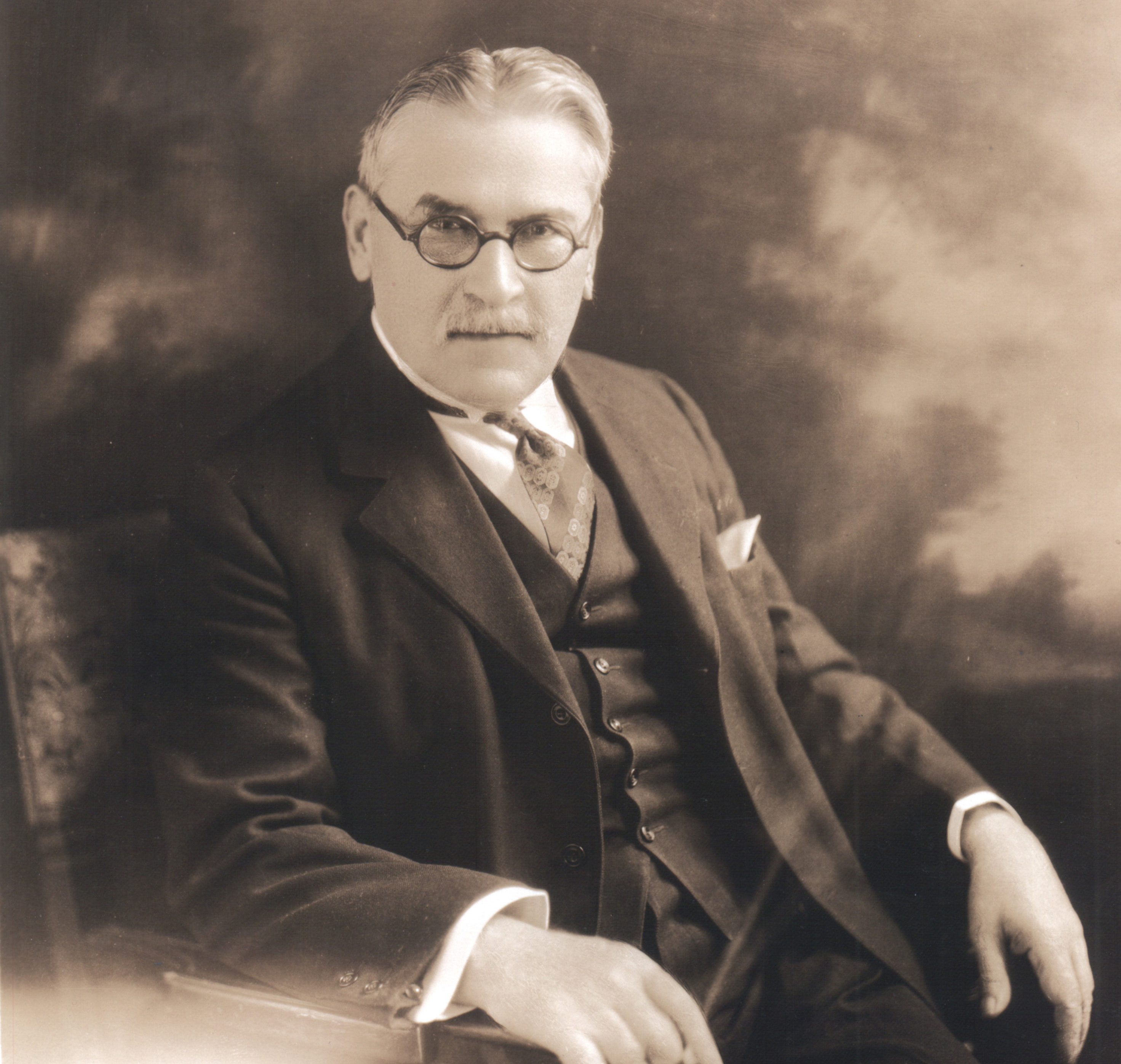
IN HONOR OF PUPIN
On October 4, 2024, a ceremonial conference was held at Columbia University in New York to celebrate the birth of Mihajlo Pupin and to commemorate the significant event on October 4, 1924, when he received the Pulitzer Prize for Literature at a ceremony of the Pulitzer Foundation. The event brought together prominent representatives from the fields of science and culture, members of the Pulitzer Foundation, business leaders, as well as officials from the Embassy of the Republic of Serbia and the Serbian Orthodox Church. Presentations on various aspects of Pupin’s life were delivered by Professor Valentina Izmirlieva, Director of the Harriman Institute, Professor Dmitri Basov, Chair of the Department of Physics, Joanna Rios, Archives Manager at Columbia University, and Gordana Vunjak-Novaković, Professor of Biomedical Engineering and Medical Sciences. It was both an honor and a pleasure for us to participate in this event as one of the organizers of this successful ceremonial conference.
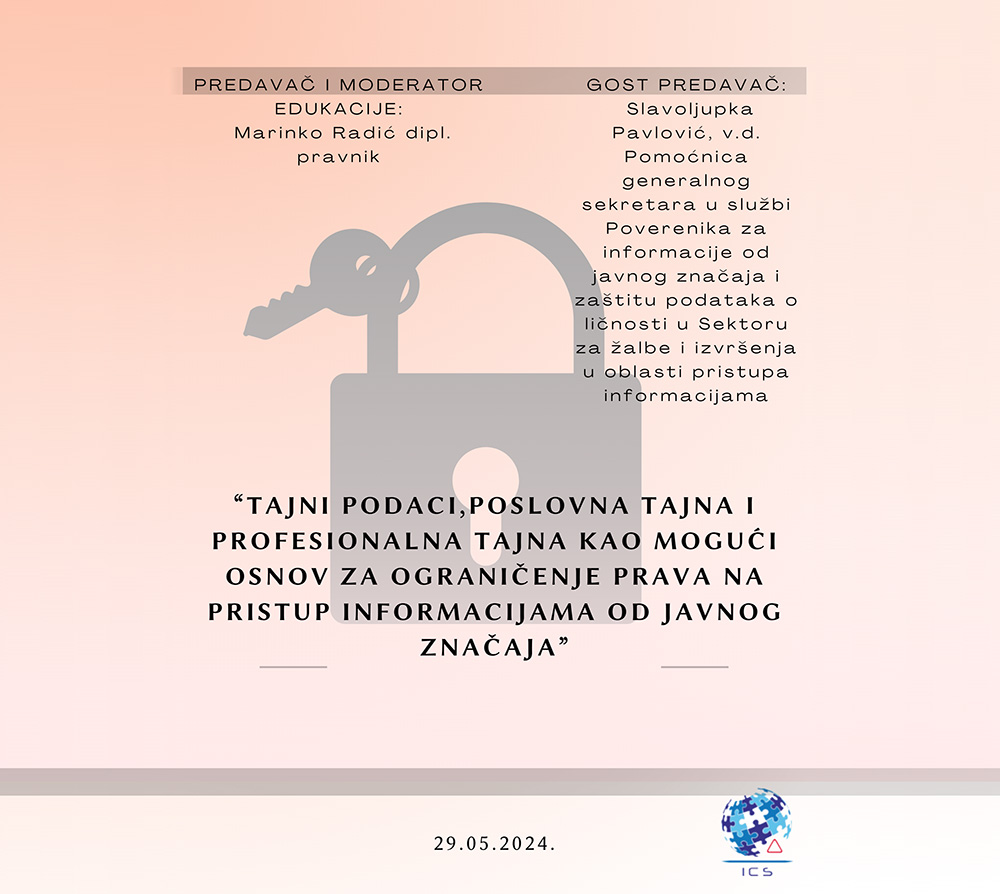
HOW TO RECONCILE DATA SECRECY WITH THE PUBLIC'S RIGHT TO ACCESS INFORMATION OF PUBLIC IMPORTANCE
Secret data, business secrets, and professional secrets as a possible basis for restricting the right to access information of public importance is the title of the education, we organized on May 29 in the premises of the Palace Hotel in Belgrade. This topic attracted the attention of a significant number of participants, people who respond to citizens' requests daily and are faced with doubts every day - how to harmonize the right of access to information with the limitations of the data secrecy law.
The introductory lecturer and moderator of the education was Marinko Radić, a B.Sc. lawyer, with several decades of professional experience in the position of General Secretary of the Commissioner for Information of Public Importance and Protection of Personal Data, now retired. He gave a general perspective on the importance of the law on citizens' right to access information held by public authorities, which is part of a broader picture of respect for inalienable human rights and freedoms. That is why limiting this right, in order not to endanger another right, is a complex operation and requires careful consideration. The guest lecturer was Slavoljupka Pavlović, B.Sc. lawyer, currently in the position of acting assistant to the Secretary General in the service of the Commissioner for Information of Public Importance and Protection of Personal Data. Using examples from practice, she gave answers to many questions and doubts. The case studies were a challenge for all participants who took an active part in the application of these regulations on concrete and real cases.
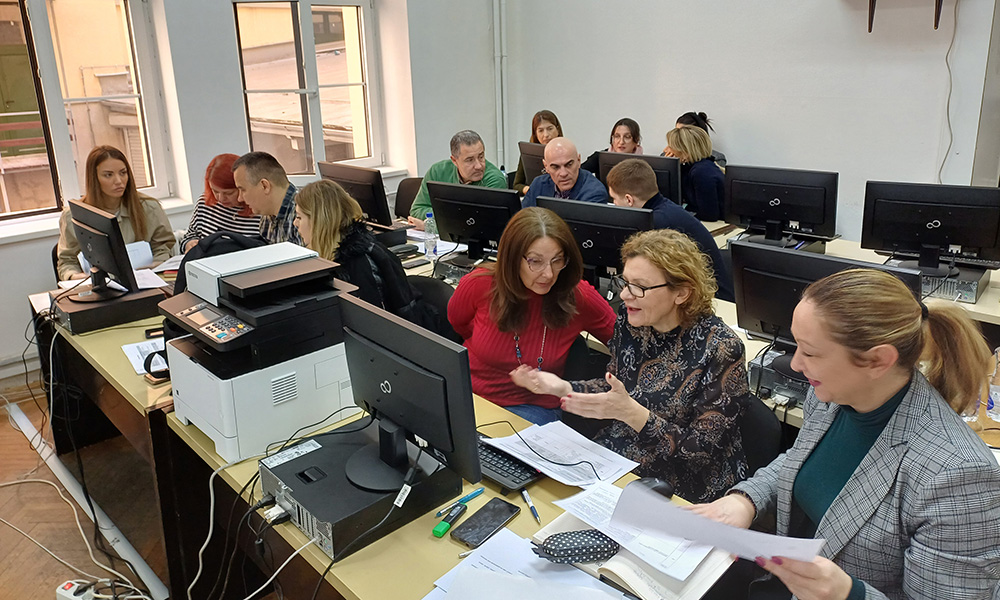
RISK MANAGEMENT
During April and May 2024, workshops were held with the employees of the Company "Railway Infrastructure of Serbia" a.d. with the aim of raising capacity for responsible management and strengthening the risk management system. This important segment is part of the overall system of Financial Management and Control and a legal obligation of all users of public funds. At the organized workshops, all the forms and documentation that follow the correct application of this system were harmonized with the current regulations, but the necessary educations were also carried out and professional help was provided in empowering the employees for further improvement of the system. The result of which we are particularly proud is the response of the employees, their active participation in the workshops, but also the high level of motivation and engagement of the employees of this company so that the risk management processes are raised to a higher level and fully implemented.
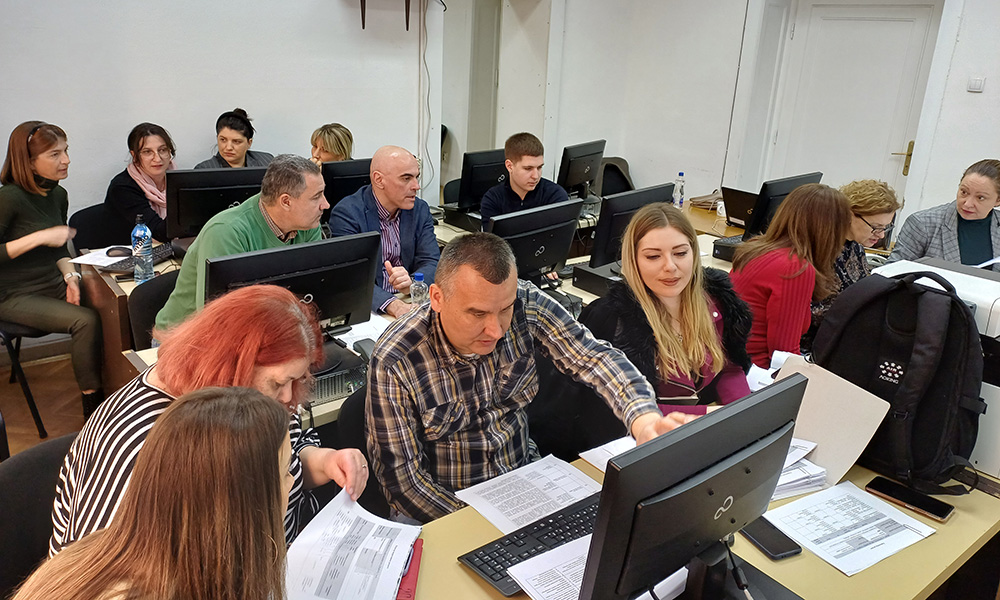
HOW TO PROVIDE INFORMATION OF PUBLIC IMPORTANCE WITHOUT JEOPARDIZING PERSONAL DATA PROTECTION?
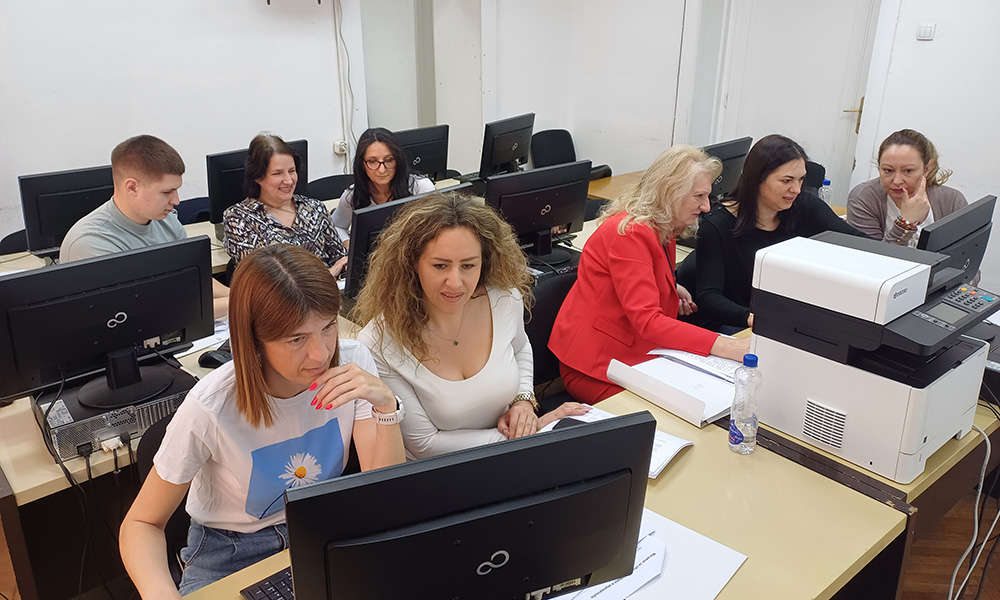
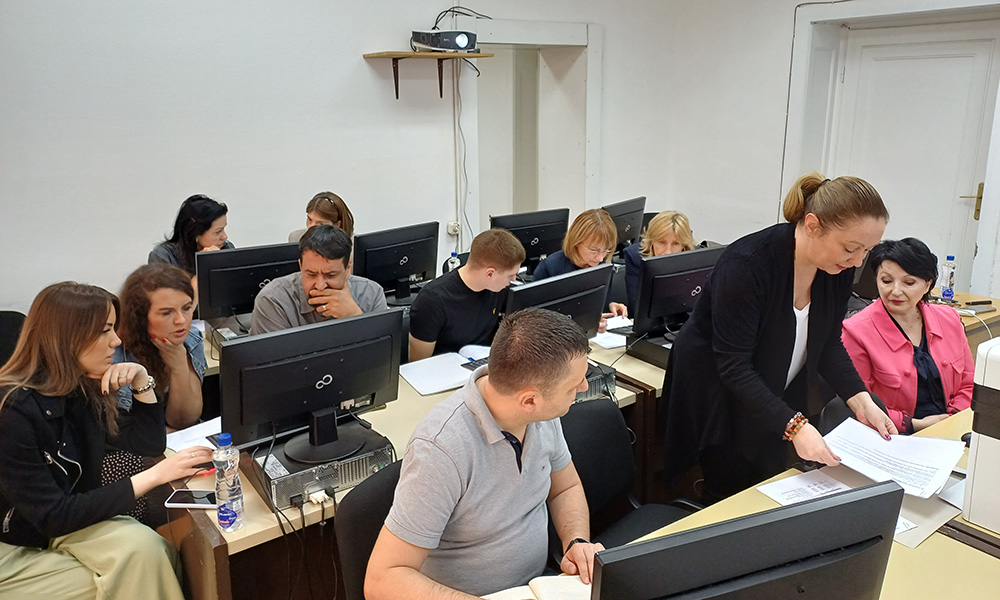
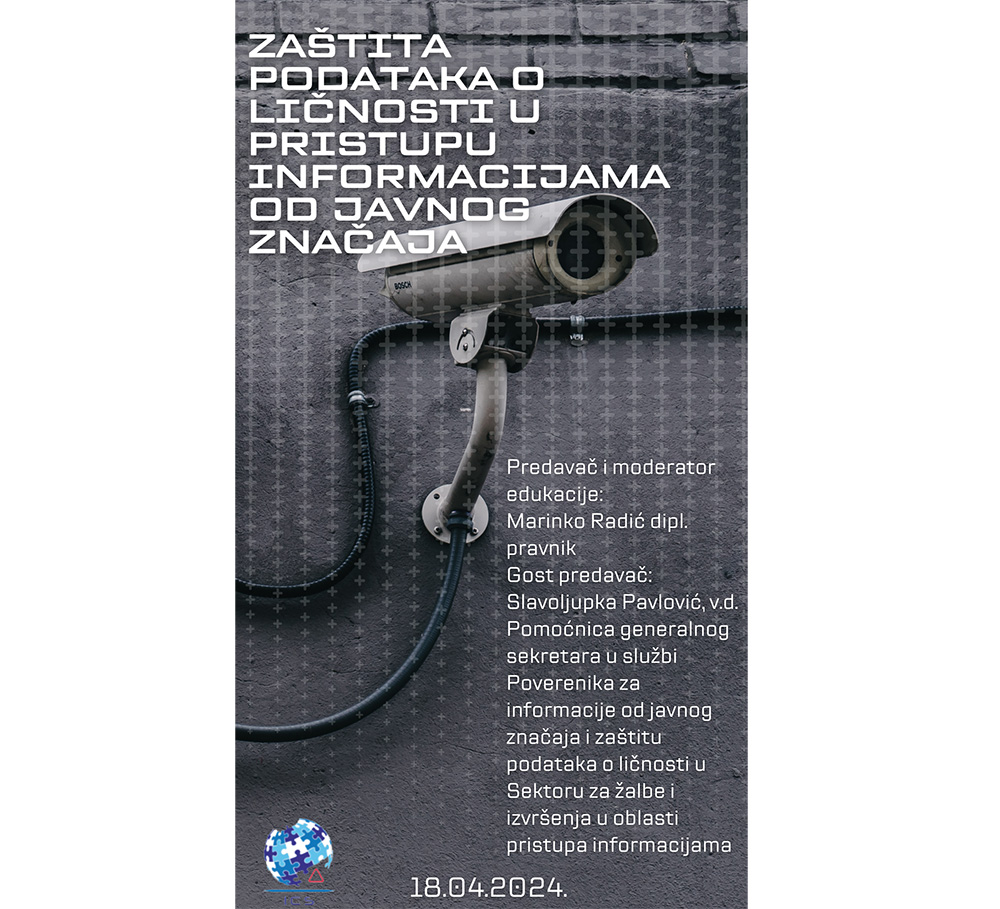
A one-day education on the topic "Protection of personal data in access to information of public importance", held on April 18th, 2024 at the Palace Hotel in Belgrade, attracted a considerable number of participants dealing with these topics from various levels of public authorities. Since it is the right of the public to have an insight into all the information that public authorities have at their disposal, the law regulates the obligation of public authorities to share all information of public importance. On the other hand, the Law on the Protection of Personal Data protects the individual's right to freedom and privacy, so doubts arise every day in practice - what is and what is not data that can be publicly accessed without jeopardizing the individual's rights?
Lecturer and education moderator Marinko Radić, B.Sc. a lawyer with decades of professional experience in the field of personal data protection and information of public importance in the position of Secretary General of the Commissioner for Information of Public Importance and Protection of Personal Data clarified to those present all the confusion surrounding the application of these regulations, and the participants had the opportunity get the necessary guidelines for the correct application of regulations in specific cases from their professional practice.
RESPONDING TO VIOLENCE IS THE RESPONSIBILITY OF ALL OF US
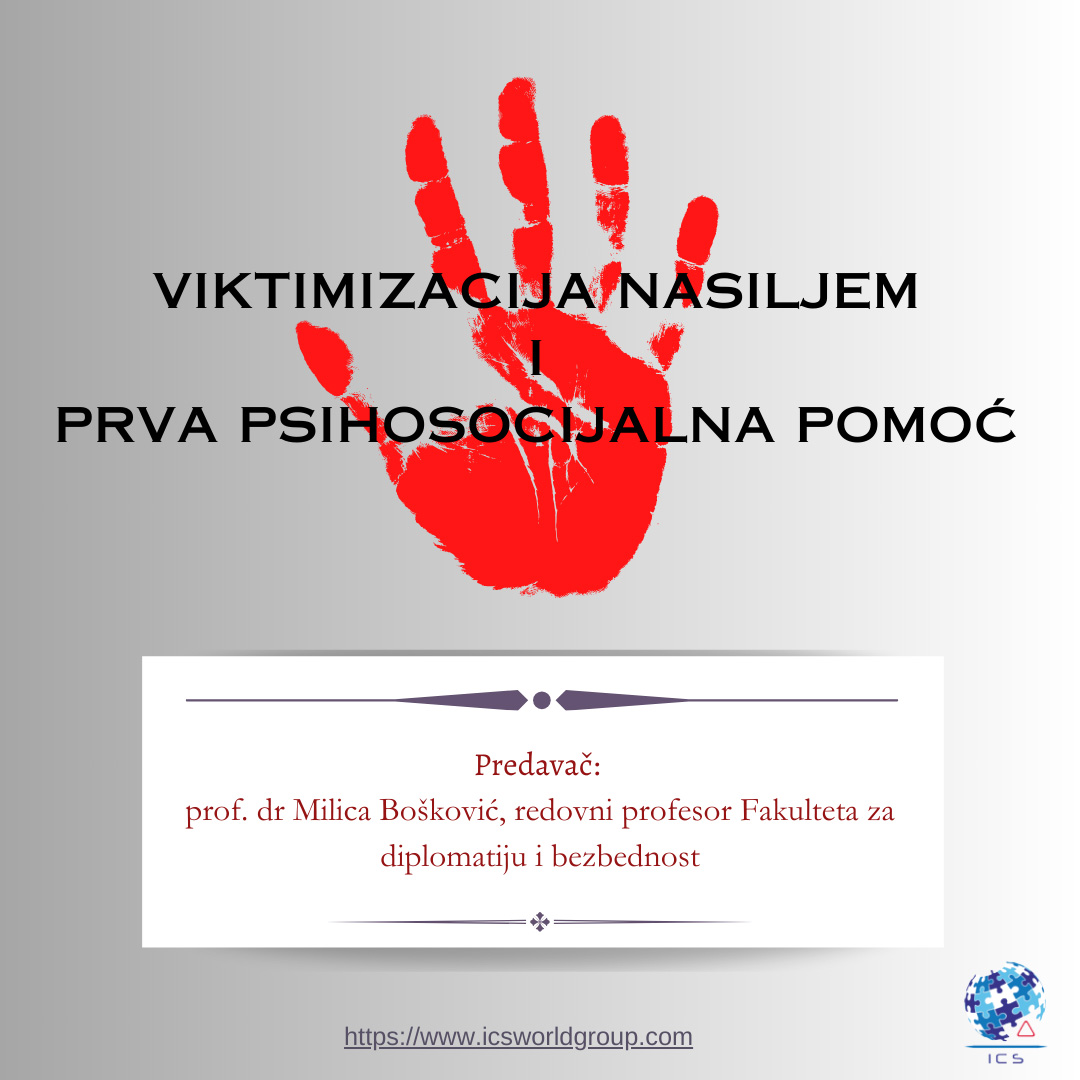
"Victimization by violence and first psychosocial aid" was the name of the one-day education, held on March 12th, 2024, at the Palace Hotel in Belgrade, intended for persons responsible for implementing regulations and acting in the prevention and sanctioning of violence at the national and local levels of government, non-governmental organizations, formal and informal groups for support, education and strengthening the fight against violence.
The topic of violence concerns every individual in society, the forms of violence are different and we often do not recognize them and do not confront them until extreme and difficult-to-control circumstances occur. There is an institutionalized system of prevention and control, a system of victim protection, but without the participation of all of us, it is impossible to prevent and sanction this socially dangerous behavior.
The lecturer was Prof. Dr. Milica Bošković, a full professor of the Faculty of Diplomacy and Security and the College of Social Work, with scientific and research experience in social pathology, violence against women, victimology, and human trafficking. By their participation in the conversation, all those present contributed to the achievement of the goal of this event - awareness that it concerns us all.